Affordable dental implants in Houston, TX are possible for many patients, but the right price depends on your oral health, how many teeth are missing, and the type of restoration you need. In most cases, the best value is the option that is safe, durable, and clearly priced from start to finish rather than the lowest advertised fee.
If you need a durable, natural-feeling tooth replacement that preserves nearby teeth and jawbone, dental implants are often the best long-term option. Northwest General Dentistry in Houston, TX focuses on thoughtful treatment planning and quality materials so patients receive predictable healing and functional results.
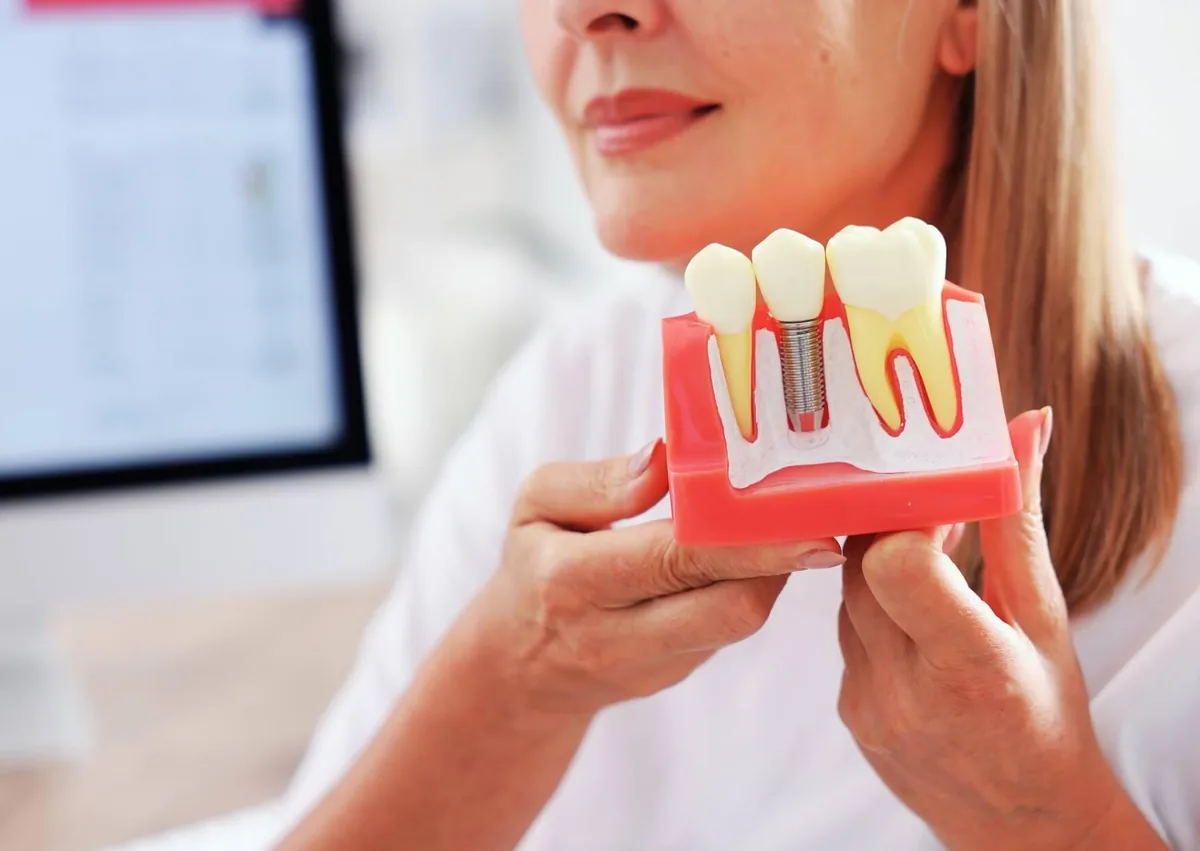
A complete implant treatment plan often has three core parts: the implant post placed in the jaw, the abutment that connects the post to the restoration, and the final crown or larger prosthesis. Some offices bundle these together, while others list surgery, imaging, sedation, grafting, temporary teeth, and follow-up visits as separate fees.
That difference matters when you compare prices. A lower quote may not include everything needed to finish treatment safely and comfortably.
Ask for a written, itemized estimate before you commit. It should show what is included, what may be optional, and what happens if healing takes longer than expected.
The most affordable treatment path depends on how many teeth are missing, the condition of the surrounding teeth, and the amount of healthy bone available. When natural teeth can be saved, that is often the first choice, but implants can be an excellent solution when a tooth is already missing or cannot be restored.
If you are missing one tooth, a single tooth implant can replace it without reshaping the teeth next to it. For larger gaps or full-arch tooth loss, other implant-based options may offer a better balance of function and cost.
|
Treatment Path |
Common Use |
Practical Consideration |
|---|---|---|
|
Single implant and crown |
One missing tooth |
Does not require reducing neighboring teeth for a traditional bridge |
|
Implant-supported bridge |
Several adjacent missing teeth |
May replace multiple teeth with fewer implants than one implant per tooth |
|
Loose or unstable denture |
Usually improves retention but still requires daily removal and cleaning |
|
|
Fixed full-arch restoration |
Most or all teeth in one arch |
Can provide a nonremovable set of teeth, but treatment and maintenance are more complex |
In some cases, dental bridges or removable partial dentures have a lower upfront cost. Still, it is important to compare lifespan, maintenance, repair needs, effects on nearby teeth, and the chance of future bone loss.
Implants can restore chewing support without depending on nearby teeth for stability. Because they transfer chewing forces into the jaw, they may also help preserve bone in that area, though they cannot stop every age-related or disease-related change.
Long-term success depends on healthy gums, enough bone, precise placement, and good home care. Smoking or vaping, uncontrolled diabetes, active gum disease, teeth grinding, certain medications, and some medical conditions can raise the risk of complications, and these risk factors should be reviewed during treatment planning.
Be cautious with very low advertised prices that do not explain what is included. A complete consultation should cover both the surgical and restorative phases so the final tooth fits well, functions properly, and can be maintained over time.
Implant placement is usually done with local anesthetic to numb the area. Sedation may also be available for some patients, but it adds cost and requires individual safety screening and transportation planning.
After surgery, mild swelling, tenderness, and bruising are common and often improve within a few days. The implant usually needs several months to bond with the jawbone through osseointegration, although healing time varies based on bone quality, grafting, health factors, and the area being treated.
A temporary tooth may be possible while the implant heals, but same-day placement or same-day loading is not right for every case. Call the dental office promptly for worsening pain or swelling, persistent bleeding, fever, pus, a bad taste with increasing discomfort, new implant movement, or numbness that does not improve, and seek urgent medical care for trouble breathing or swallowing.
Dental insurance sometimes helps with exams, extractions, dental crowns, or other parts of care even when the implant itself is not fully covered. Check annual maximums, waiting periods, replacement rules, deductibles, and preauthorization requirements directly with your insurer.
Some dental offices offer phased treatment, third-party financing, or payment plans. You may also be able to use health savings accounts or flexible spending account funds, though financing can increase the total cost through interest or fees.
When comparing providers in Houston, ask whether the fee includes 3D imaging, implant components, a temporary restoration, the final crown or prosthesis, and routine follow-up visits. It is also reasonable to ask who performs each phase, what training they have, which implant system is used, and how replacement parts are handled in the future.
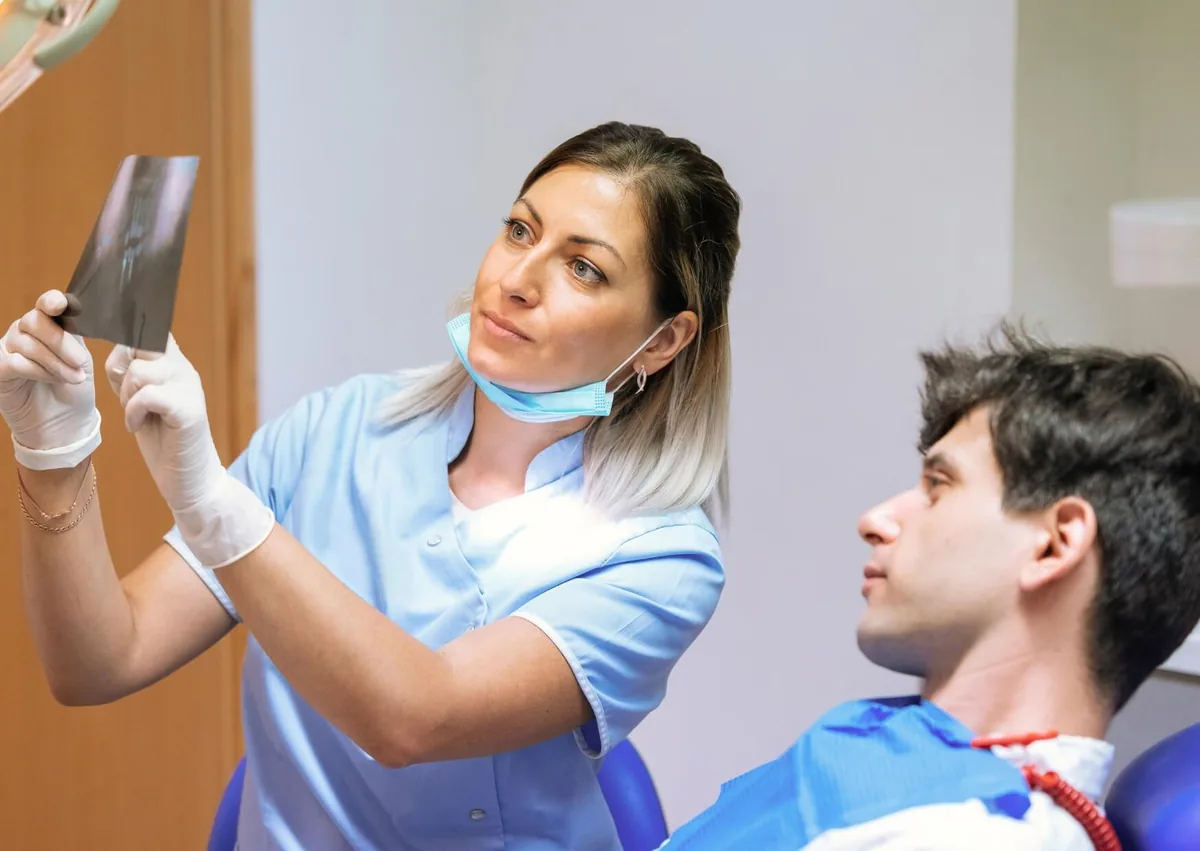
A proper implant evaluation usually includes a review of your medical and dental history, an exam of the gums and bite, and appropriate imaging. A CBCT scan may be recommended to measure bone and evaluate nearby structures such as nerves and sinuses.
Bring an updated medication list and be ready to discuss tobacco use, diabetes, past radiation treatment, osteoporosis therapy, and previous dental problems. These factors do not always rule out implants, but they can affect healing, timing, and overall risk.
Before moving forward, make sure the treatment plan explains alternatives, expected maintenance, limitations, and total fees. A local consultation can help you decide whether a single implant, implant-supported bridge, removable option, or fixed full-arch restoration offers the best mix of safety, appearance, function, and budget.
To confirm whether implants are the right affordable solution for your situation, arrange a local consultation to review options, expected timeline, and an itemized estimate. Call Northwest General Dentistry about dental implants in Houston, TX at (281) 856-6300 to schedule your consultation and get transparent pricing.
The implant fixture can last many years and sometimes decades, but no result comes with a lifetime guarantee. The crown, bridge, attachment, or denture on top may need repair or replacement sooner because of wear, bite forces, or changes in the mouth.
A lower fee does not automatically mean lower quality. Safety depends on proper diagnosis, suitable materials, clinician training, infection control, sound surgical and restorative planning, and reliable follow-up care.
Sometimes. Mild to moderate bone loss may be managed with grafting, a modified implant position, or a different restoration, while advanced bone loss can make treatment more complex or limit your options.
Coverage varies widely by plan. Ask your insurer for a written benefit estimate, but remember that it is not a guarantee of payment and treatment decisions should still be based on clinical needs.
In selected cases, a temporary tooth can be attached on the same day as implant placement. This depends on implant stability, bone quality, bite forces, health status, and the location being treated, and the temporary tooth usually comes with diet restrictions during healing.