Jaw pain and stiffness can make everyday activities uncomfortable. Northwest General Dentistry evaluates TMJ-related symptoms to identify potential causes and appropriate care. TMJ treatment in Houston, TX provides personalized solutions to support comfortable jaw function.
The temporomandibular joints connect your jaw to your skull and control its movement. Problems with these joints or surrounding muscles may cause TMD symptoms, including:
Occasional jaw sounds without pain may not require treatment, but persistent or painful symptoms should be professionally evaluated by a dental professional experienced in specialty dentistry.
TMJ disorders can have several contributing factors, and the underlying cause may vary between patients. Teeth clenching or grinding, muscle tension, jaw injuries, arthritis, and other conditions affecting the jaw joints or surrounding tissues may contribute to symptoms.
Because jaw discomfort can have multiple potential causes, professional assessment is important. Issues involving your bite or tooth alignment may also warrant discussion of orthodontic options, including braces, clear aligners, or Invisalign when appropriate.
The right TMJ treatment depends on your symptoms, examination findings, and individual needs. Northwest General Dentistry may recommend:
Treatment is tailored to address contributing factors, support comfortable jaw function, and manage persistent symptoms.
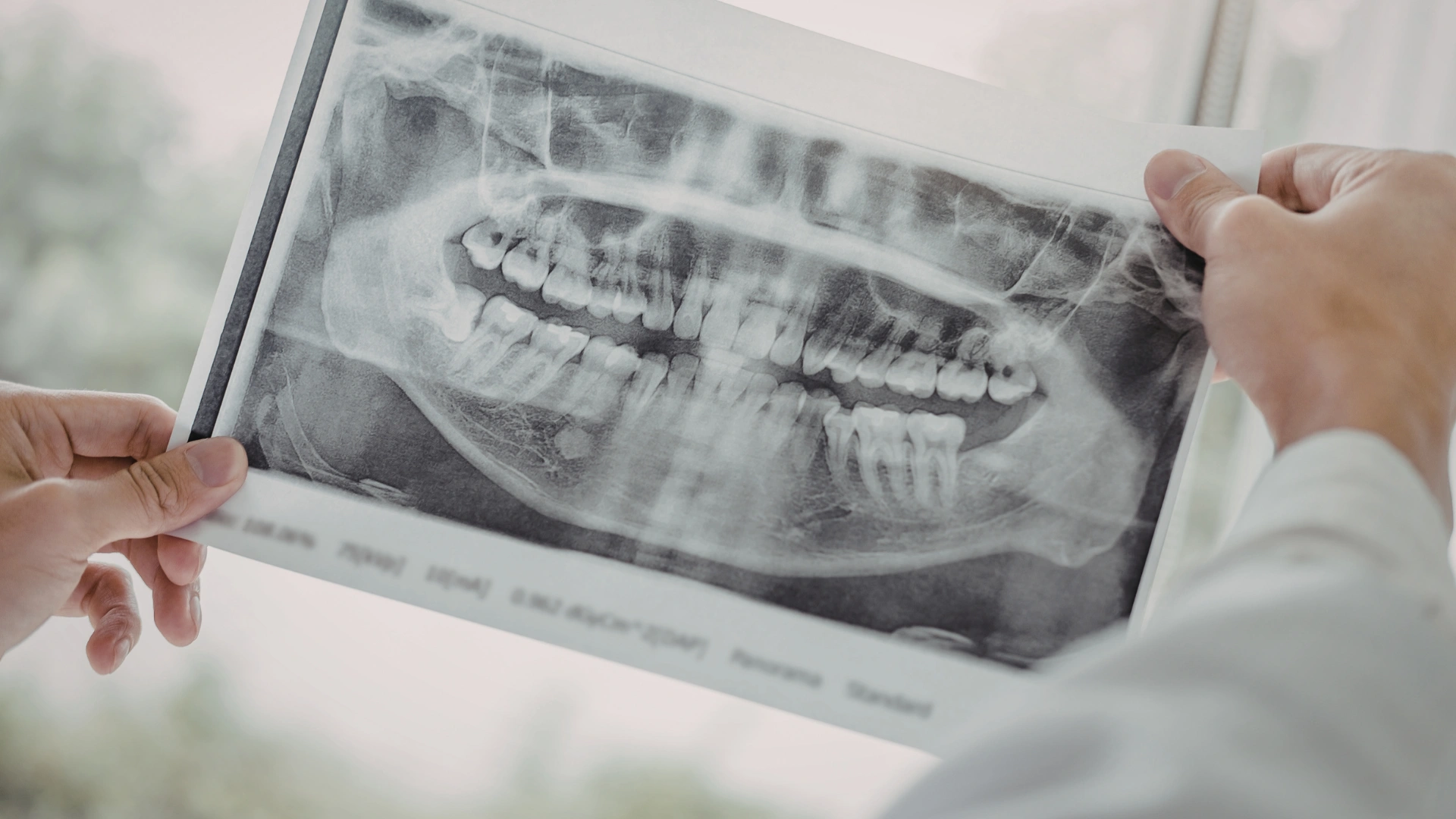
A TMJ evaluation begins with a discussion of your symptoms, dental history, and concerns. The dentist may examine jaw movement, areas of tenderness, and your bite to identify potential contributing factors. Additional diagnostic procedures may be recommended when necessary to develop an appropriate treatment plan.
According to the National Institute of Dental and Craniofacial Research, TMD can involve the jaw joints, chewing muscles, or surrounding tissues and may cause symptoms such as jaw pain and difficulty with movement.
Persistent jaw pain should not be overlooked, particularly when it affects normal activities. Discomfort that interferes with eating, speaking, yawning, or opening your mouth may indicate the need for professional assessment.
Patients experiencing recurring or worsening symptoms should consider scheduling an evaluation. Identifying potential contributing factors can help determine whether TMJ treatment or another form of dental care is appropriate.
Northwest General Dentistry provides personalized TMJ care at 15614 FM 529, Houston, TX 77095, United States. The office is open Monday 8 AM–5 PM, Tuesday 8 AM–5 PM, Wednesday 9 AM–6 PM, Thursday 9 AM–4 PM, and Friday 7 AM–1 PM, with Saturday and Sunday closed.
Schedule your TMJ evaluation today.
Appointment length can vary depending on your symptoms and the type of evaluation or care required.
Changes in jaw movement may sometimes affect how your teeth come together, which may require further evaluation.
Yes. TMD can affect people of different ages, so persistent jaw symptoms in younger patients should also be evaluated.
Your dentist may recommend temporarily choosing softer foods if chewing aggravates your jaw symptoms.
Symptoms may recur in some patients, particularly when contributing factors persist, making follow-up care important.