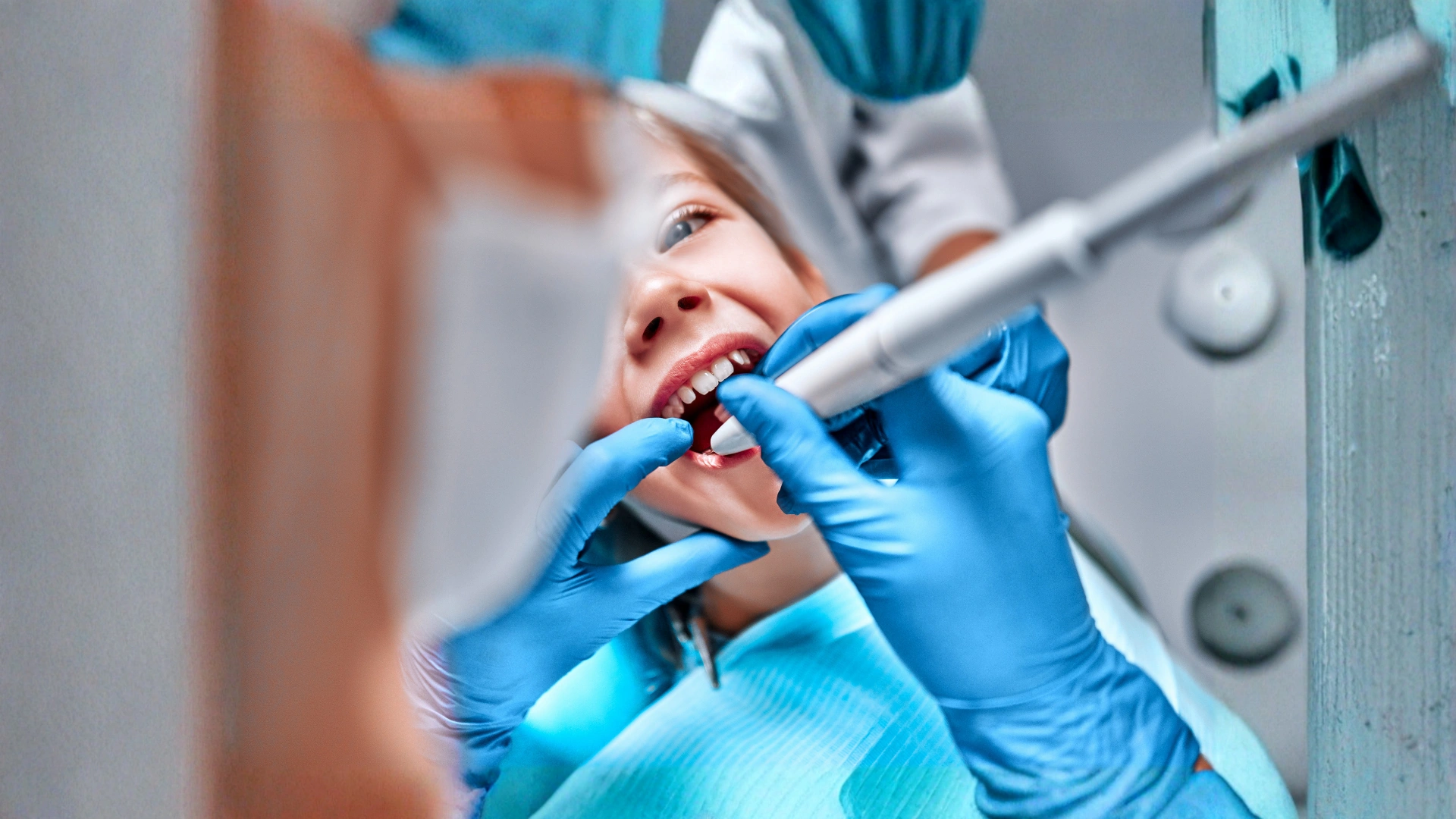
A damaged or compromised tooth can affect your comfort and oral health. Northwest General Dentistry provides personalized evaluations to determine whether extraction is appropriate for your needs. Patients seeking teeth pulling and extraction in Houston, TX can receive professional care and clear guidance.
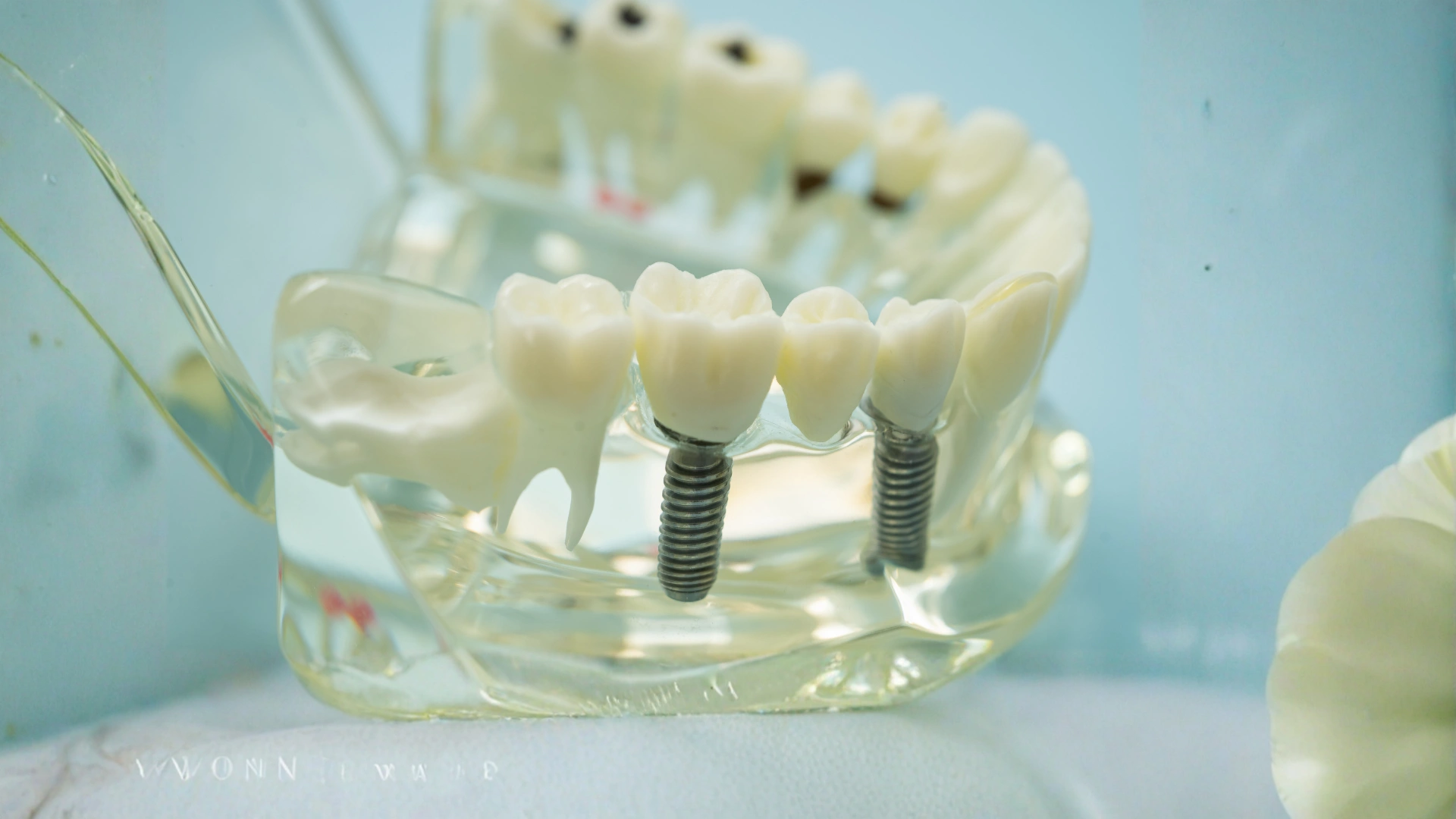
Tooth extraction may be recommended when a tooth cannot be restored or may compromise surrounding oral structures. Common reasons include extensive decay, structural damage, severe infection, or advanced dental conditions.
Extraction may also be considered for dental crowding or when a tooth interferes with planned treatment. Your dentist will evaluate the tooth and surrounding tissues to determine whether removal or another option is appropriate.
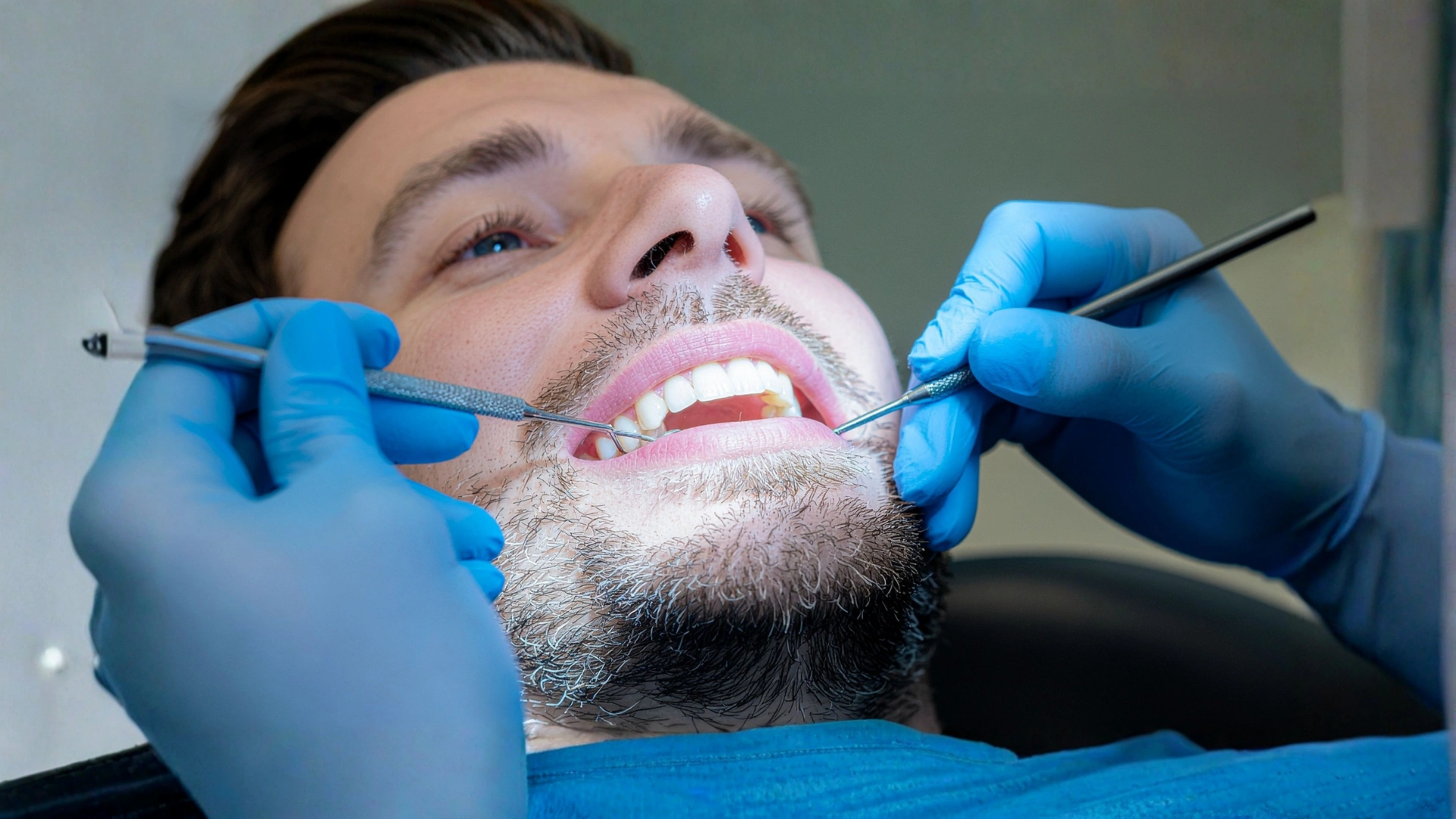
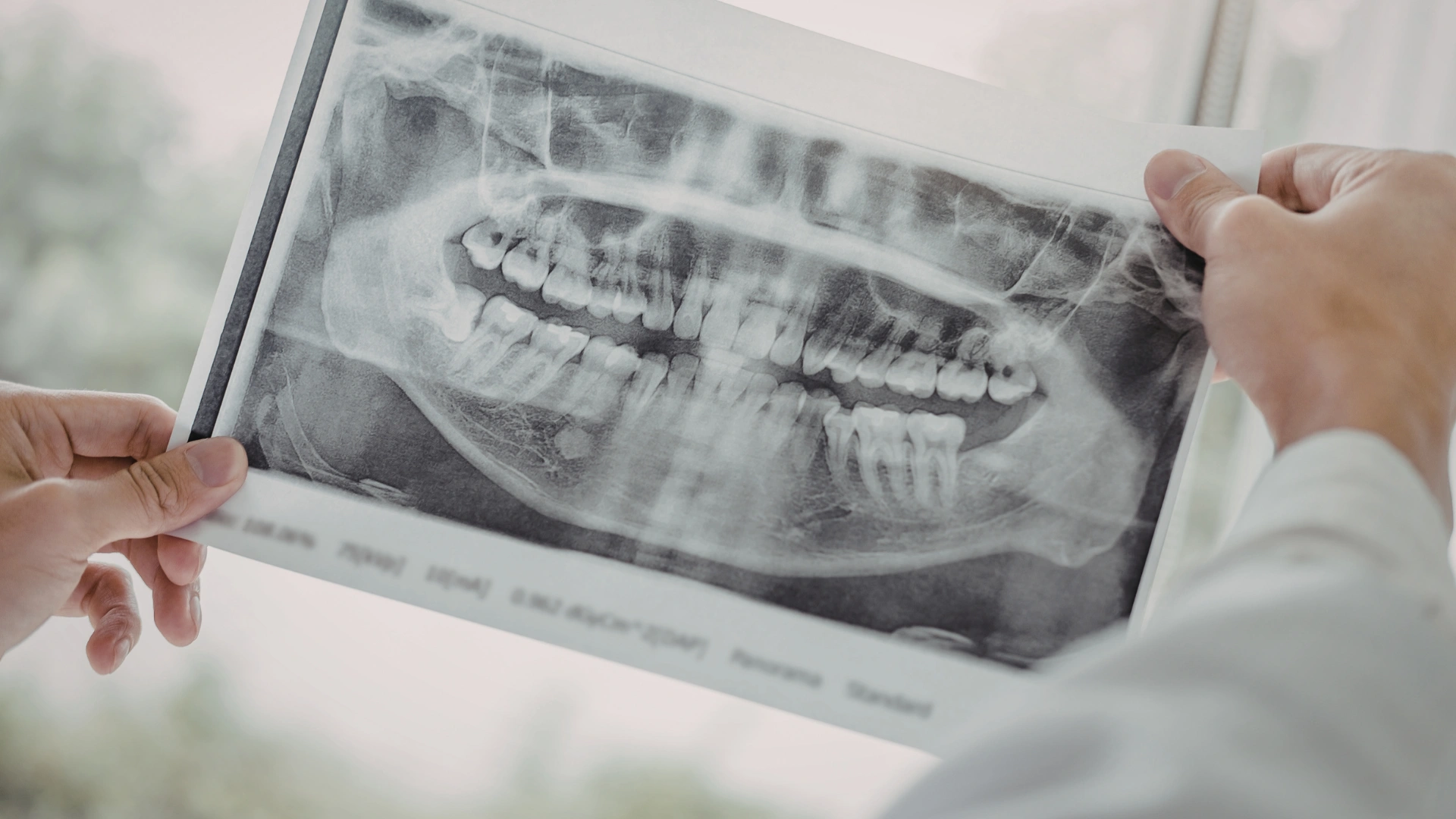
Your dentist will examine the affected tooth and surrounding tissues to assess its condition and determine the most appropriate treatment. A comprehensive dental X-ray may also help evaluate the tooth and surrounding structures.
The treatment area is typically numbed with local anesthesia to help minimize discomfort. The tooth is then carefully removed based on your individual needs.
After removal, your dentist will provide personalized aftercare instructions to protect the extraction site and support proper healing.
Following your dentist’s aftercare instructions can help support proper healing. You may be advised to:
Following these guidelines and maintaining good general dental care can help support your overall oral health after tooth removal.
A tooth extraction should be based on a careful assessment of your individual oral health. Northwest General Dentistry provides personalized evaluations to help patients understand why extraction may be recommended and what treatment options are available.
Whether a tooth has extensive damage, cannot be restored, or is contributing to another dental concern, a professional evaluation can help determine the appropriate course of treatment. Ongoing teeth cleaning can also help maintain oral health after treatment.
Northwest General Dentistry provides personalized tooth extraction care at 15614 FM 529, Houston, TX 77095.
Office hours are Monday 8 AM–5 PM, Tuesday 8 AM–5 PM, Wednesday 9 AM–6 PM, Thursday 9 AM–4 PM, and Friday 7 AM–1 PM. The office is closed on Saturday and Sunday.
Contact Northwest General Dentistry today.
The time varies depending on the tooth and procedure. Your dentist can provide an estimate during your consultation.
Your dentist can discuss options for managing the space based on the tooth’s location and your dental needs.
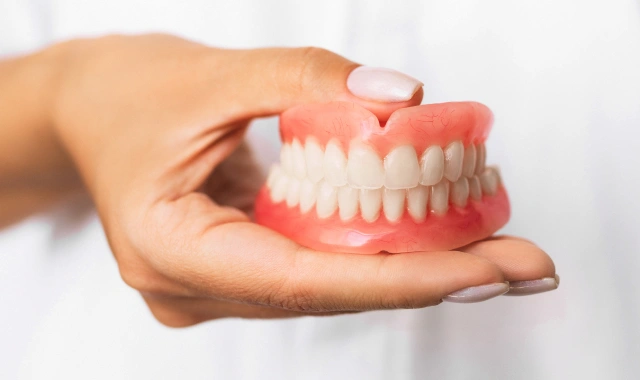
Yes. Your dentist can recommend suitable replacement options based on your oral health and treatment needs.
Many patients can return to normal activities relatively soon. Your dentist will provide guidance based on your procedure.
It depends on the anesthesia or sedation used. Your dental team can advise you about transportation before treatment.