Missing teeth can affect your oral health and confidence. At Northwest General Dentistry, we provide dental bridges in Houston, TX to restore your smile with durable, natural-looking results. Our team delivers personalized care to help you regain lasting function and confidence.
You can naturally incorporate the high-authority reference like this:
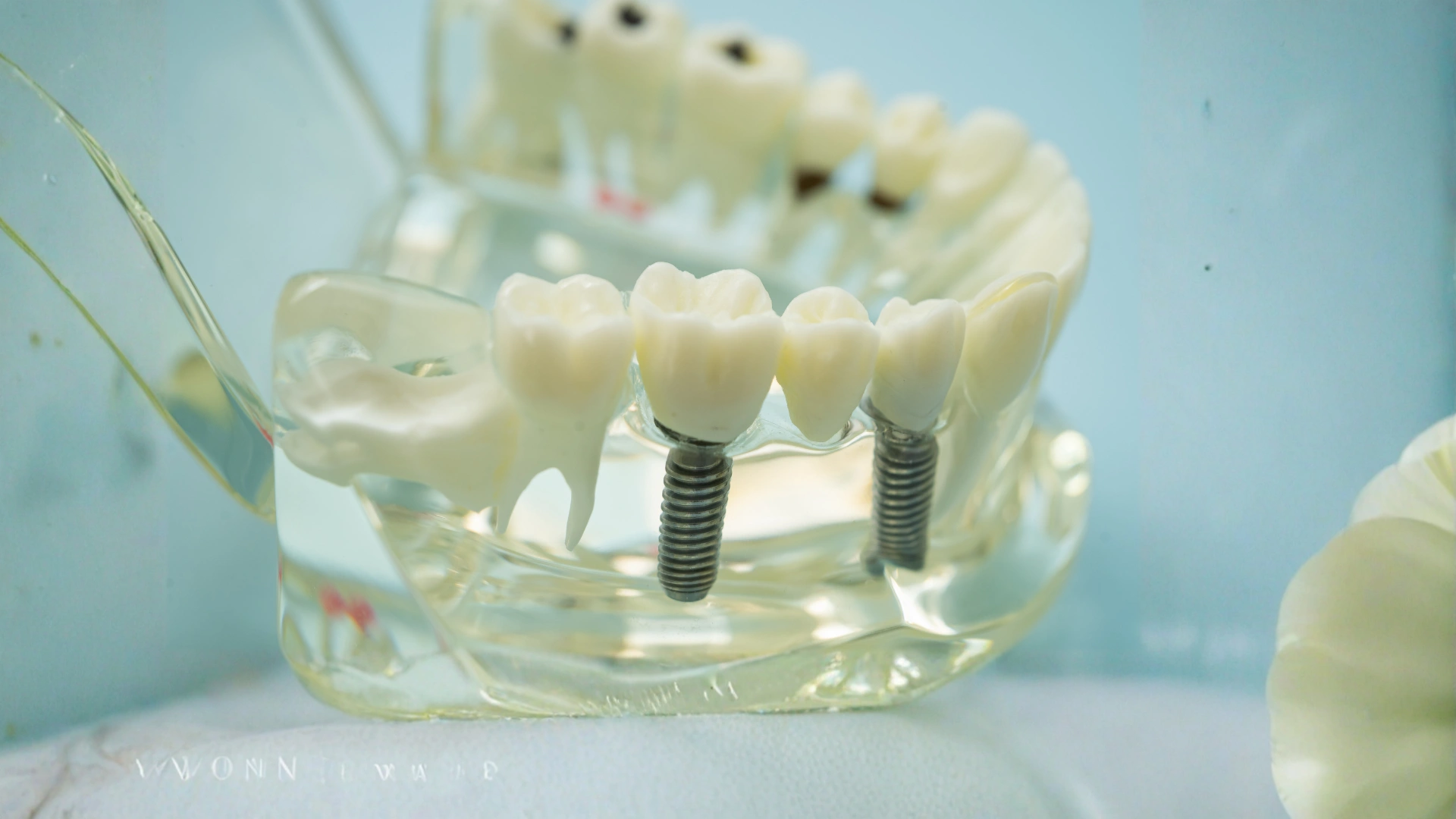
A dental bridge restores gaps caused by missing teeth with one or more artificial teeth, called pontics, that are securely supported by adjacent teeth or dental implants. The restoration is supported by neighboring teeth fitted with dental crowns or, in some cases, dental implants.
As explained in the American Dental Association's overview of dental bridges, dental bridges help restore your smile while improving oral function after tooth loss.
In addition to restoring the appearance of your smile, a dental bridge improves chewing efficiency, enhances speech clarity, and helps maintain proper tooth alignment by preventing nearby teeth from shifting into the space.
A dental bridge may be recommended if you:
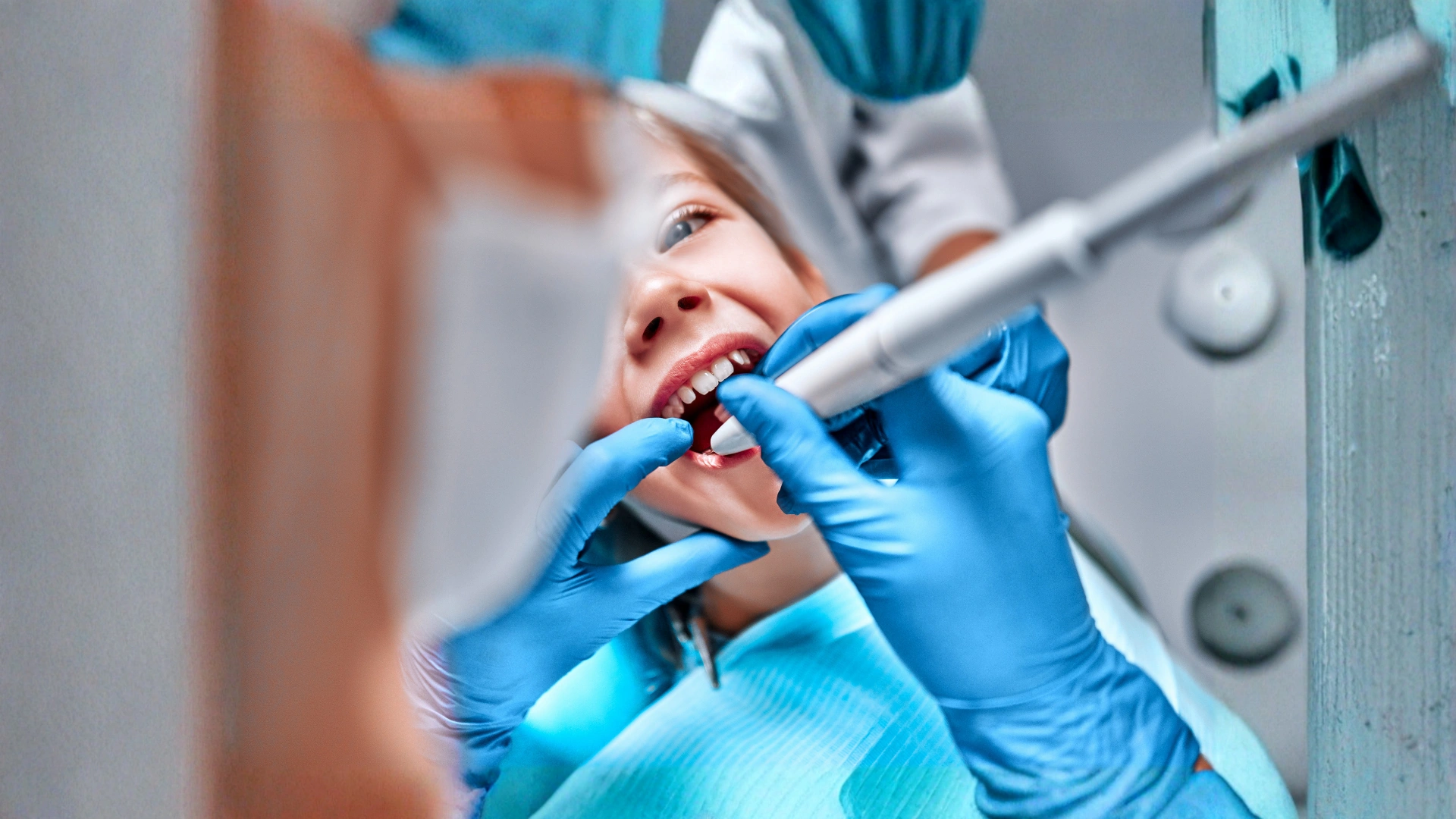
During your consultation, we'll evaluate your oral health and determine whether a dental bridge is the right solution for your smile. We may also discuss other restorative dentistry treatments based on your oral health needs.
Because every smile is unique, we offer several types of dental bridges to meet different restorative needs. Patients looking for a traditional solution may also benefit from learning more about our porcelain fixed bridges treatment.
Our dentists will recommend the restoration that best fits your oral health, functional needs, and long-term goals.
A custom dental bridge offers benefits beyond restoring your smile, including:
Replacing missing teeth promptly also helps protect your remaining teeth and supports long-term oral health. Healthy supporting teeth are essential for a successful bridge, and treatments such as composite fillings may be recommended to strengthen teeth before restoration.
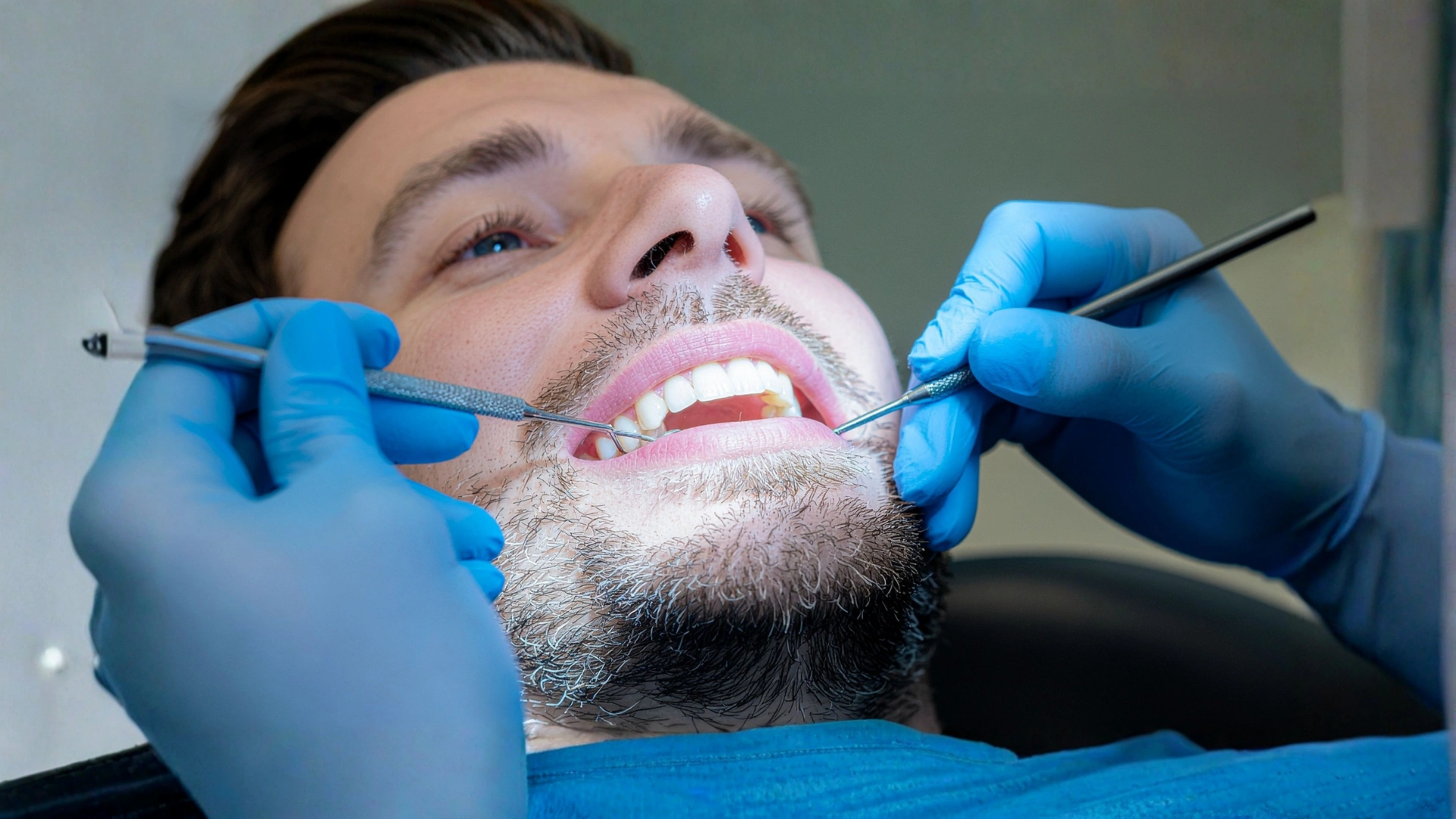
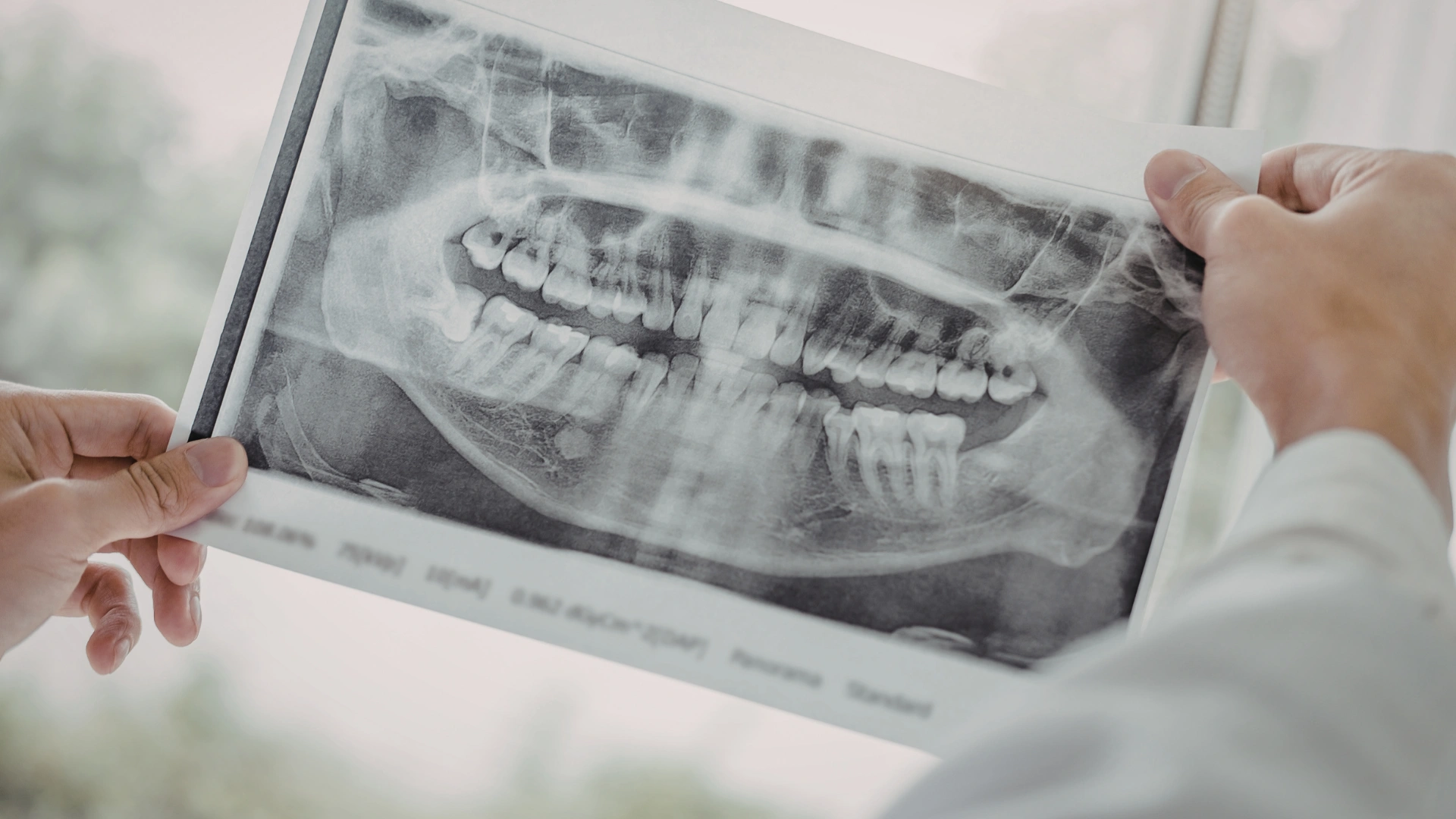
Your treatment begins with a comprehensive examination and digital imaging to assess your oral health. If a traditional bridge is recommended, the supporting teeth are prepared before digital impressions or scans are taken for a precise fit.
A temporary bridge may be placed while your custom restoration is being fabricated. Once your permanent bridge is ready, it is securely placed, adjusted for comfort, and checked to ensure proper bite alignment. We will also provide instructions to help you care for your new restoration.
Good oral hygiene helps keep your dental bridge in excellent condition. We recommend:
Routine dental visits help ensure your bridge continues to fit and function properly.
Achieve a healthier, complete smile with custom dental bridges from Northwest General Dentistry in Houston, TX.
Visit us at 15614 FM 529, Houston, TX 77095, during our office hours: Monday: 8 AM–5 PM, Tuesday: 8 AM–5 PM, Wednesday: 9 AM–6 PM, Thursday: 9 AM–4 PM, Friday: 7 AM–1 PM, Saturday: Closed, and Sunday: Closed.
Contact Northwest General Dentistry today to schedule your appointment.
Yes. Replacing a missing tooth helps distribute biting forces more evenly and reduces wear on surrounding teeth.
Yes. A worn or damaged bridge can often be replaced after your dentist evaluates your oral health.
Many dental insurance plans offer partial coverage for bridges, but benefits vary by provider and plan.
Yes, but grinding can damage your bridge. Your dentist may recommend a custom night guard for protection.
Your dentist will treat the affected tooth and determine whether the bridge can remain or needs replacement.