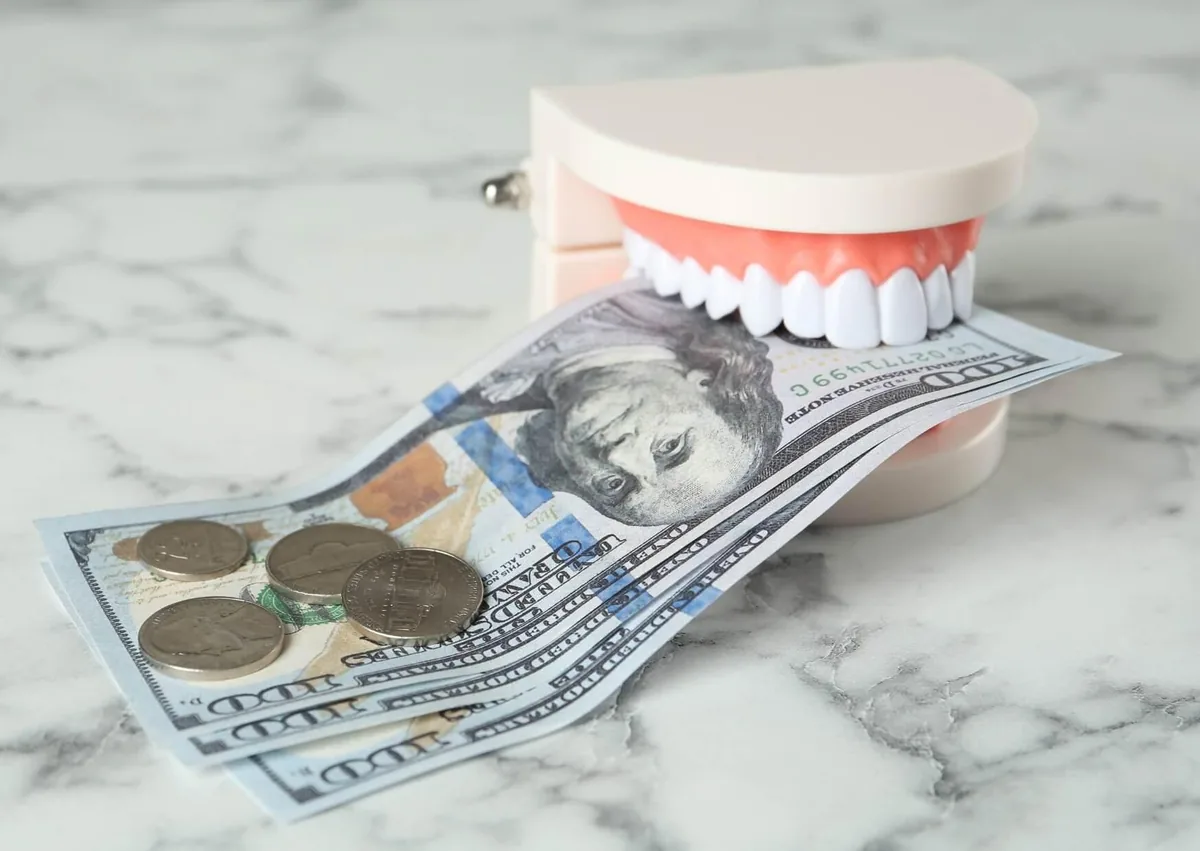
Cosmetic dentistry costs can range from a few hundred dollars for professional whitening or minor bonding to several thousand dollars per tooth for veneers, crowns, or implant-supported restorations.
The total depends on the treatment you choose, how many teeth are involved, the condition of your teeth and gums, the materials used, your location, and whether dental insurance may cover any medically necessary portion.
Cosmetic dentistry can clarify which conservative or permanent approaches best match your goals. Northwest General Dentistry in Houston, TX helps patients understand likely outcomes, timelines, and itemized costs so you can compare options with confidence.
The ranges below are broad U.S. estimates, not quotes. Actual fees vary by region, materials, and case complexity, so a consultation is usually needed to confirm which option can safely achieve your goal.
|
Treatment |
Typical U.S. Cost |
Practical Outcome |
|---|---|---|
|
In-office teeth whitening |
$300 to $1,000 |
Brightens natural teeth but does not change fillings or crowns |
|
dental bonding |
$300 to $800 per tooth |
Reshapes or masks small chips, gaps, and discoloration |
|
$900 to $2,500 per tooth |
Changes tooth color, shape, size, or spacing |
|
|
Clear aligners |
$3,000 to $8,000 total |
Gradually moves teeth to improve alignment and bite |
|
Tooth-colored crown |
$1,000 to $2,500 per tooth |
Covers and reinforces a damaged or heavily restored tooth |
|
Dental implant with crown |
$3,000 to $7,000 or more per tooth |
Replaces a missing tooth from root to crown |
Additional procedures can raise the total cost. Common examples include X-rays, gum treatment, replacement of failing fillings, bone grafting before an implant, or retainers after orthodontic care.
The biggest factor is treatment scope. Fixing one chipped tooth usually costs much less than improving several visible teeth as part of a smile makeover, and more complex bite or spacing concerns may require orthodontics before bonding or veneers.
Materials and lab work also affect price. Composite resin used for bonding usually costs less than porcelain, but it may stain, chip, or need repair sooner.
Porcelain and other high-quality ceramics often offer better color stability and durability. Even so, no restoration lasts forever, and future maintenance or replacement should be part of the discussion.
The dentist's training, local overhead, and technology used for planning or fabrication can also influence fees. Sedation, temporary restorations, diagnostic models, and follow-up visits may be included in a quote or billed separately, so ask for a written, itemized estimate.
The lowest upfront price is not always the lowest long-term cost. Whitening may be enough if your main concern is color and your tooth shape and alignment already look good.
Bonding can be a conservative way to improve small chips, uneven edges, or minor gaps without lab-made restorations. It is often more affordable at first, but it may need polishing, touch-ups, or replacement sooner than porcelain.
Veneers can create broader changes in color, shape, and symmetry. They usually cost more than bonding, but they may offer better stain resistance and a longer-lasting cosmetic result in the right case.
Clear aligners usually take longer than bonding or veneers, but they move your natural teeth rather than covering them. For some patients, that makes them a better fit for alignment or bite concerns.
A conservative plan aims to preserve as much healthy tooth structure as possible. Before choosing a permanent treatment, ask whether a less invasive option could meet the same goal and what future maintenance costs to expect.
Dental insurance usually does not cover treatment done only to improve appearance. It may help with part of a crown, implant, orthodontic treatment, or other care when the procedure also restores function or treats disease, but plan rules, annual maximums, waiting periods, and preauthorization requirements vary.
If coverage may apply, ask the office to request a pretreatment estimate from your insurer. That can be helpful, but it is not a guarantee of payment.
Some dental offices offer phased treatment, third-party financing, or payment plans. Review interest rates, fees, and repayment terms carefully before deciding.
Health savings accounts and flexible spending accounts may help with eligible dental expenses. Purely cosmetic services may not qualify, so confirm the rules with your plan administrator or tax professional.
Cosmetic treatment costs are only part of the decision. Patients also want to know what treatment feels like, how long recovery takes, and what kind of upkeep to expect.
Whitening can temporarily increase sensitivity. Bonding is often completed with little or no recovery, while veneers and crowns may involve local anesthetic and short-term gum or temperature sensitivity.
Implants and some gum procedures usually involve a longer healing period. Sedation may be available for some treatments, but it can add cost and may require transportation or other precautions.
Tell your dentist about dental anxiety, sensitive teeth, medical conditions, allergies, pregnancy, and all medications or supplements. That helps the team recommend the safest and most comfortable approach.
Cosmetic work still needs daily brushing, interdental cleaning, and regular professional care. A nightguard may be recommended if you clench or grind, and tobacco use can increase staining and affect gum or implant health.

A responsible cosmetic evaluation looks at more than appearance alone. Your dentist may check for cavities, gum disease, enamel thickness, existing restorations, bite forces, and the condition of the roots and supporting bone before recommending treatment.
Bring photos or describe the specific changes you want. Then ask to compare options by total cost, expected longevity, maintenance, treatment time, and effect on natural tooth structure.
Digital previews or temporary mock-ups may help you understand likely changes, but results cannot be guaranteed. If a proposed plan is extensive or irreversible, it is reasonable to request records and seek a second opinion.
Pain, facial swelling, fever, dental trauma, a loose adult tooth, or trouble swallowing or breathing should not wait for a cosmetic visit. Seek prompt dental evaluation, and get emergency medical care for breathing or swallowing difficulty or rapidly spreading swelling.
A local dentist can examine your teeth, explain which goals are realistic, and provide a personalized estimate before treatment begins. That is the best way to compare options with confidence.
To get an accurate, itemized cost estimate and a treatment plan tailored to your priorities, request a cosmetic evaluation. Call Northwest General Dentistry for cosmetic dentistry in Houston, TX at (281) 856-6300 to schedule a consultation.
Usually not when the purpose is only cosmetic. Coverage may be available when a procedure is medically necessary or restores function, but the insurer needs to review the specific treatment code and clinical documentation.
Professional whitening and limited dental bonding are often among the lower-cost options. The right choice depends on whether the concern involves color, shape, position, damaged enamel, or an underlying dental problem.
A dental office may give a general range, but an accurate quote usually requires an exam and, when appropriate, X-rays or other records. Hidden decay, gum disease, bite issues, or failing restorations can change both the treatment plan and the cost.
Longevity depends on the treatment, oral hygiene, diet, bite forces, tobacco use, and grinding habits. Whitening needs periodic maintenance, bonding may need polishing or repair, and veneers, crowns, and implants can eventually require replacement or additional care. See how long veneers last for more detail.