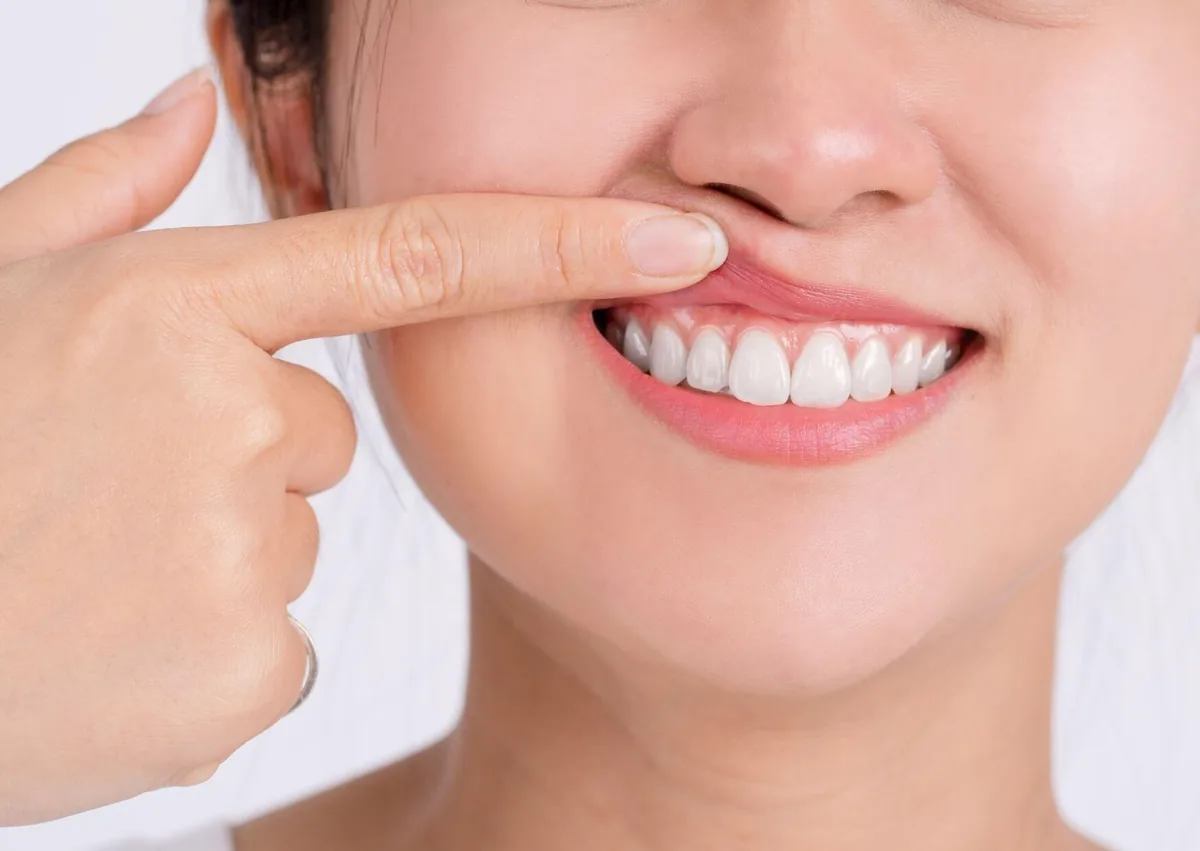
Gummy smile treatment reduces excess gum show, but the right approach depends on the cause. A dentist may recommend gum contouring, treatment for upper-lip movement, orthodontics, or jaw surgery after evaluating your gums, teeth, lip position, and bite.
A gummy smile is usually a cosmetic concern, not a health problem. Even so, an exam matters because the same smile appearance can come from different causes, and the wrong treatment may give only limited improvement.
If you’re weighing options to reduce excess gum show and achieve a balanced smile, a cosmetic dentistry consultation can clarify which procedures suit your anatomy and goals. At Northwest General Dentistry in Houston, TX we combine clinical evaluation and personalized options to help you choose conservative, comfortable treatments that match your aesthetic and oral-health priorities.
Dentists often describe a smile as gummy when more gum tissue shows than a person wants to see. There is no single number that makes treatment necessary because tooth shape, lip position, facial proportions, and personal preference all affect what looks balanced.
Common causes include gum tissue covering too much of the teeth, small or worn teeth, a short or very active upper lip, tooth positions that affect the gumline, or vertical overgrowth of the upper jaw. Some patients have more than one cause.
A clinical evaluation may include photos, gum measurements, X-rays, a bite analysis, and an assessment of lip movement. The cause should guide the treatment plan before any cosmetic procedure is chosen.
Gum contouring removes and reshapes excess gum tissue to show more of the natural teeth. It may be done with a dental laser or surgical instruments when the bone under the gums is already in a good position.
Crown lengthening is more involved because it may reshape both gum tissue and supporting bone. A dentist or periodontist may recommend it when bone sits too close to the visible edge of the tooth and more lasting tooth exposure is needed while respecting biologic width.
Small injections of botulinum toxin may help when the upper lip lifts too high during smiling. Results usually appear within several days and last about three to four months, so maintenance treatment is needed.
Lip-repositioning surgery changes the inner attachment of the upper lip to limit how far it rises. It may provide a longer-lasting result for selected patients, but healing, scar tissue, lip mobility, and the chance of recurrence should be reviewed carefully.
Braces or clear aligners such as Invisalign may help when tooth position or bite relationships contribute to excess gum display. Some orthodontic plans also use temporary anchorage devices to move teeth in ways that standard braces alone may not achieve.
Orthognathic surgery may be considered when significant vertical upper-jaw growth is the main cause. This is the most extensive gummy smile treatment option and usually involves coordinated planning with an orthodontist and an oral and maxillofacial surgeon.
Treatment options differ in purpose, durability, recovery, and cost. These ranges are general because the exact experience depends on the procedure and individual healing.
|
Treatment |
Often Suited For |
Practical Outcome |
Typical Recovery Pattern |
|---|---|---|---|
|
Gum contouring |
Excess gum tissue with favorable bone position |
More visible tooth structure; often long-lasting |
Tenderness and swelling for several days |
|
Crown lengthening |
Gum and bone covering too much of the teeth |
More visible tooth structure; generally durable |
Initial healing over weeks; tissues mature longer |
|
Botulinum toxin |
Upper lip that rises strongly when smiling |
Reduced lip elevation; temporary |
Usually little downtime |
|
Lip repositioning |
Excess upper-lip movement in selected cases |
Reduced gum display; longevity varies |
Swelling and a restricted smile during early healing |
|
Orthodontics |
Tooth position or bite-related causes |
Gradual improvement in tooth and gumline position |
No surgical recovery unless additional procedures are used |
|
Jaw surgery |
Significant upper-jaw excess |
Major skeletal and smile change |
Substantial recovery with specialist follow-up |
No single option is best for every patient. For example, gum contouring can reveal more teeth right away but will not correct a highly mobile lip, while injections can reduce lip lift without changing short-looking teeth.
When more than one issue is involved, a smile makeover may help coordinate treatment for a more balanced result. That can be useful when gum display, tooth proportions, and alignment all affect the smile at the same time.
Comfort depends on the procedure used. Local anesthetic is common for gum treatment, and temporary tenderness, swelling, mild bleeding, or sensitivity can happen during healing.
Your dentist should give you specific aftercare instructions for brushing, eating, activity, and follow-up. Following those directions closely helps protect the result and supports smoother healing.
Do not try to cut, push, or reshape gum tissue at home. That can lead to infection, gum recession, root damage, or an uneven gumline.
Contact the treating office promptly if you have worsening swelling, uncontrolled bleeding, fever, pus, severe or increasing pain, trouble swallowing, or trouble breathing. Trouble breathing or rapidly spreading facial swelling requires emergency care.

A consultation should explain what is causing the gum display, what part of the smile would change, whether results are temporary or long-lasting, and what recovery is likely. Ask to review realistic outcomes, alternatives, risks, maintenance needs, and the full estimated cost before deciding.
Care may involve a general dentist, periodontist, or oral and maxillofacial surgeon, and may include orthodontics when tooth movement is needed. A consultation with our cosmetic dentistry team can help you understand options including gum contouring, lip procedures, orthodontics, and dental veneers.
A local dental evaluation is a reassuring first step toward choosing a conservative plan that fits your smile goals and oral health. It can also help you understand which treatments are likely to give the most natural-looking improvement for your anatomy.
To plan the right combination of procedures for your gummy smile, arrange a cosmetic dentistry evaluation to review causes, expected results, and a written cost estimate. Call Northwest General Dentistry for cosmetic dentistry in Houston, TX at (281) 856-6300 to speak with our team and schedule a comfortable consultation.
Some treatments may be long-lasting, including properly planned gum contouring, crown lengthening, orthodontics, and jaw surgery. Botulinum toxin is temporary, while the durability of lip repositioning can vary.
In some cases, yes. Botulinum toxin or orthodontic treatment may help, depending on whether lip movement or tooth position is responsible, but neither option is right for every cause.
Procedures done only to change appearance are often considered cosmetic and may not be covered. Coverage may differ when treatment is medically or functionally necessary, so ask for a written estimate and verify benefits directly with your insurer.
dental veneers can change tooth shape and proportions, but they do not remove excess gum tissue, limit lip movement, or correct jaw position. They may be part of a broader plan in selected cases, though healthy tooth structure should not be removed without a clear benefit.