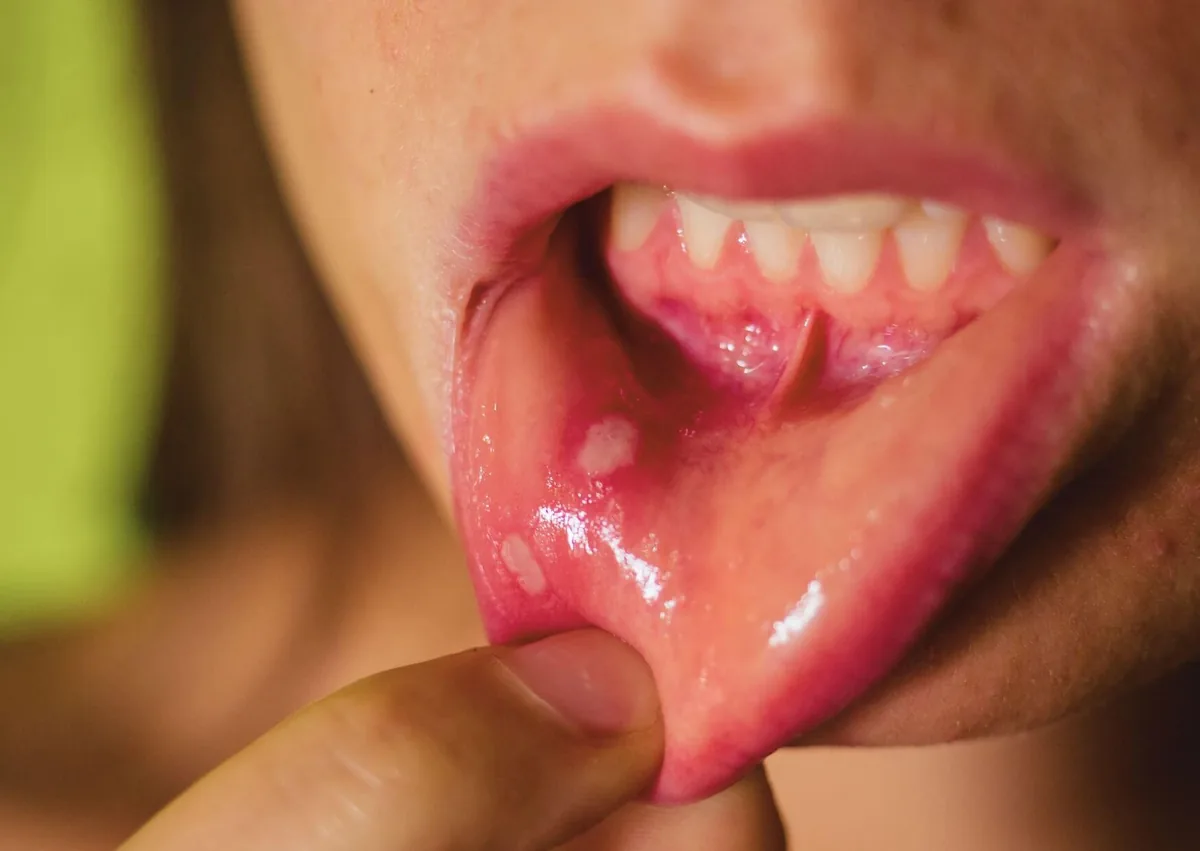
Most canker sores heal on their own in 7 to 14 days, or about one to two weeks. Larger or deeper sores can take several weeks, and a sore that lasts longer than two weeks should be checked by a dentist or medical professional. If you are worried about a sore that is not healing, a visit for general dentistry can help confirm the cause and the right next step.
If a mouth sore is painful, lingering, or hard to identify, an exam through general dentistry can help determine whether it is a simple canker sore or something else that needs attention. Northwest General Dentistry in Houston, TX provides comfortable, thoughtful care focused on relieving discomfort and giving you clear answers.
A canker sore, also called an aphthous ulcer, usually appears inside the mouth as a round or oval sore with a white or yellow center and a red border. It may show up on the inner lips or cheeks, under the tongue, along the gums, or on the soft palate.
These sores often sting or burn, especially with spicy, acidic, or crunchy foods. Unlike a cold sore, a canker sore is not contagious and does not usually form blisters outside the mouth.
Small sores are the most common and usually heal without scarring. Larger sores can be more painful, take longer to heal, and may occasionally leave a scar.
A canker sore may start after a minor mouth injury, such as biting your cheek, brushing too hard, wearing an irritating appliance, or eating something sharp. Stress, certain foods, hormonal changes, and sensitivity to ingredients in oral care products can also play a role.
Some recurring or slow-healing sores are linked with nutritional deficiencies or health conditions that affect the immune system or digestive tract. If sores are frequent, unusually large, or come with other symptoms, a clinician may recommend further evaluation, which can sometimes include dental x-rays when another source of irritation needs to be ruled out.
Ongoing friction can also delay healing. A rough tooth, damaged filling, or poorly fitting appliance may keep rubbing the same area, so a sore that keeps returning in one spot deserves a dental exam.
Most canker sores do not need a procedure. Gentle brushing, bland foods, cool drinks, and avoiding spicy, acidic, salty, or crunchy foods can make the area less irritated while it heals.
Over-the-counter protective pastes, mouth rinses, or pain-relief products may help temporarily when used as directed. Ask a dentist, physician, or pharmacist before using these products for a child, during pregnancy, or if you have allergies or medical conditions.
If a sore is severe or persistent, a dentist or physician may recommend prescription treatment to reduce pain and inflammation. The best option depends on the sore's size, appearance, duration, and likely cause.

Schedule an evaluation if a sore has not healed within two weeks, keeps coming back, gets larger, or makes eating and drinking difficult. It is also important to seek care for a sore with unusual color, a firm or raised area, unexplained bleeding, or a lump in the mouth or neck.
Get prompt medical attention if mouth sores happen with fever, a widespread rash, eye symptoms, major facial swelling, trouble swallowing, difficulty breathing, or signs of dehydration. Those symptoms are not typical of a simple canker sore.
Not every mouth ulcer is a canker sore, and several conditions can look similar. A local provider in general dentistry can check for irritation from teeth or dental work, assess healing, and recommend the right next step if the cause is unclear. You can also review our services to learn more about the care we offer, and if you are new to the practice, see your first visit to know what to expect.
If a sore persists beyond two weeks or keeps returning, an examination can identify causes, check for dental irritation, and guide appropriate treatment. Call Northwest General Dentistry for general dentistry in Houston, TX at (281) 856-6300 to schedule an appointment.
A very small sore may feel much better within a few days, but full healing usually takes one to two weeks. Avoiding irritation can help it stay more comfortable as it closes.
No. Canker sores are not contagious, while cold sores are caused by the herpes simplex virus and can spread to other people.
Recurring sores may be related to stress, repeated injury, food sensitivities, nutritional deficiencies, or certain health conditions. A dentist or physician can evaluate frequent outbreaks and decide whether more testing is needed.
No. A canker sore is an open ulcer, not a pimple or fluid-filled blister, so trying to pop it can cause more pain, bleeding, and irritation.