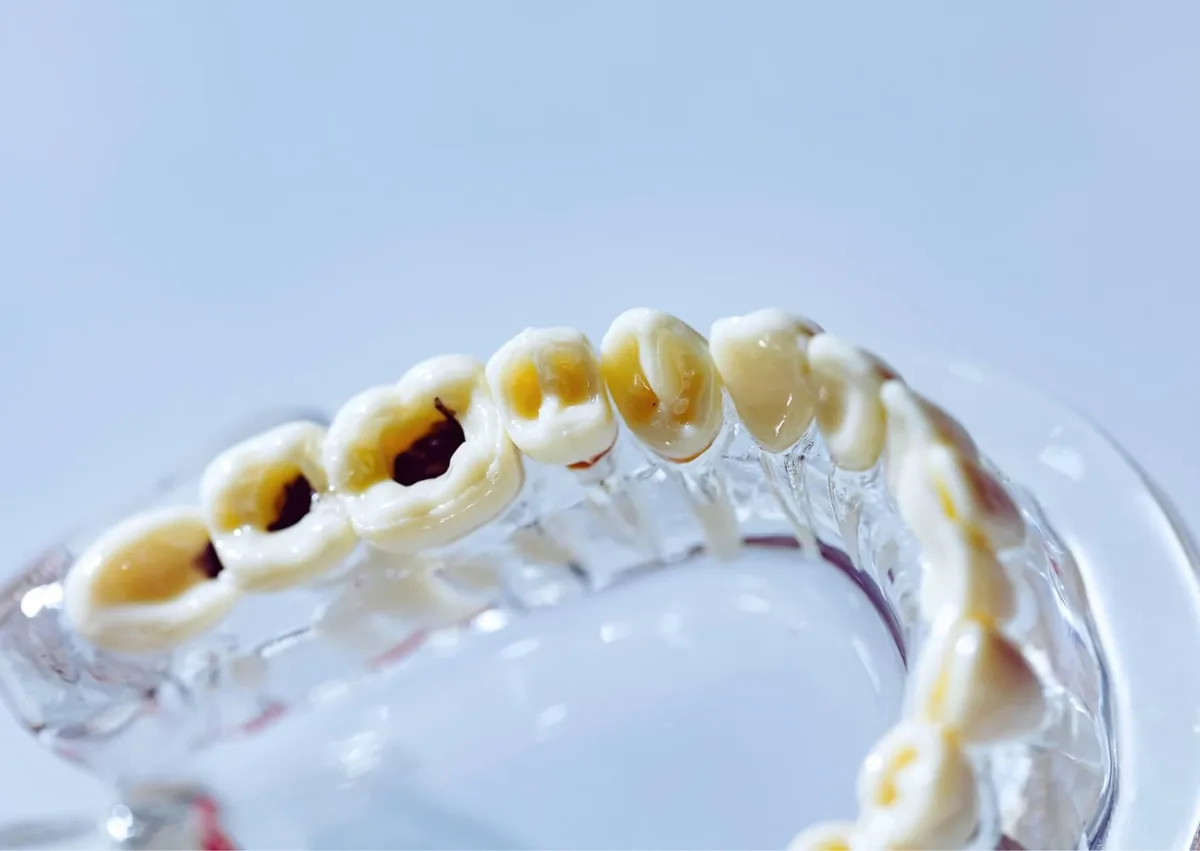
The best answer to how to prevent cavities is simple: brush twice a day with fluoride toothpaste, clean between your teeth daily, limit frequent sugar and acid exposure, and keep regular visits with general dentistry. Together, these habits lower plaque buildup, strengthen enamel, and help catch early decay before it turns into a painful or visible hole.
If you’re worried about new cavities or want a tailored prevention plan, visiting general dentistry can connect your home routine to professional screening and preventive treatments. Northwest General Dentistry in Houston, TX helps patients get practical fluoride, cleaning, and monitoring options to protect teeth and simplify daily care.
Cavities develop when bacteria in plaque feed on sugars and starches and produce acid. Over time, that acid pulls minerals from enamel and can create permanent damage.
Brush for two minutes in the morning and again before bed with a soft-bristled toothbrush and fluoride toothpaste accepted by the American Dental Association. Fluoride helps repair early mineral loss and makes enamel more resistant to future acid attacks.
Clean between your teeth once a day with floss, an interdental brush, or another device your dentist recommends. A toothbrush cannot fully reach those tight spaces, and cavities often start there.
A fluoride mouth rinse may help some patients, but it does not replace brushing or flossing. After brushing, spit out the excess toothpaste instead of rinsing hard with water so more fluoride stays on the teeth.
Children need extra supervision with brushing and toothpaste use. Caregivers should use an age-appropriate amount of fluoride toothpaste and help until the child can clean every tooth surface well.
How often teeth are exposed to sugar matters as much as how much sugar you eat. Sipping soda, juice, sports drinks, or sweetened coffee over hours gives cavity-causing bacteria repeated chances to make acid.
Try to keep sugary or starchy foods with meals instead of frequent snacks. Water is the best choice between meals.
Sticky foods such as gummies, dried fruit, crackers, and chips can cling to grooves and spaces between teeth longer than people expect. Even sugar-free acidic drinks can soften enamel.
If you have something strongly acidic, avoid swishing it around your mouth. It is usually best to wait about 30 minutes before brushing so softened enamel has time to reharden.
Saliva also helps protect teeth by neutralizing acid and washing away food particles. Staying hydrated and chewing sugar-free gum after meals may help, although people with jaw pain or chewing restrictions should ask a dentist first.
Regular teeth cleaning removes tartar that brushing and flossing cannot remove at home. Dental visits also help identify missed areas, technique problems, and risk factors such as dry mouth, exposed roots, or orthodontic appliances.
Dental x-rays may be recommended based on your age, symptoms, cavity risk, and exam findings. They are not always taken on the same schedule for every patient.
Preventive care depends on your individual risk level:
|
Option |
What It Does |
Common Use |
|---|---|---|
|
Fluoride varnish |
Places concentrated fluoride on tooth surfaces |
Helps strengthen areas at risk or showing early mineral loss |
|
Covers deep grooves on chewing surfaces |
Often protects cavity-prone permanent molars |
|
|
Prescription fluoride |
Provides more fluoride than standard products |
May be recommended for people at higher risk |
|
More frequent monitoring |
Checks early changes before they progress |
May help with dry mouth, active decay, or multiple risk factors |
Fluoride varnish and sealants are usually quick preventive treatments that do not require drilling. They may feel a little different at first, but they are generally comfortable, and eating instructions can vary by product.

Some people get cavities even with decent brushing habits because their risk is shaped by saliva flow, medications, gum recession, enamel shape, diet, past decay, or dental appliances. Dry mouth is especially important because saliva helps protect teeth from acid.
Tell your dentist if your mouth often feels dry or if you wear braces, aligners, retainers, dentures, or use inhalers. Do not stop a prescribed medication on your own because of dry mouth, since the prescribing clinician may be able to suggest safer ways to manage the problem.
Children, older adults, and people with exposed roots may need a more personalized prevention plan. Root surfaces are softer than enamel and can decay faster once gum recession exposes them.
Early decay may show up as a chalky white spot before a true hole forms. At that stage, fluoride treatment, better plaque removal, diet changes, and close monitoring may help the enamel reharden.
Once decay creates a physical opening, home care cannot rebuild the missing tooth structure. A dentist may recommend a filling, and deeper damage may require a crown, root canal treatment, or extraction depending on how far the decay has spread.
|
Stage |
Possible Approach |
Comfort Expectations |
|---|---|---|
|
Early mineral loss |
Fluoride and risk-factor changes |
Usually no drilling or numbing |
|
Small cavity |
Filling |
Local anesthetic may be used to keep treatment comfortable |
|
Extensive decay |
Crown or other restorative care |
Numbing is typical; treatment may require more than one visit |
|
Decay reaching the tooth’s pulp |
Root canal treatment or extraction |
Local anesthetic is generally used; recovery depends on treatment |
Do not wait for pain before scheduling an exam. Early decay often causes no symptoms at all.
Sensitivity, pain when biting, a dark spot, or a rough area on a tooth should be checked promptly, especially if the problem persists or worsens. Earlier treatment is usually simpler and more conservative.
A steady routine works better than occasional intense cleaning. Start with fluoride toothpaste twice daily, daily cleaning between the teeth, water between meals, and dental visits based on your clinical needs.
Seek prompt dental care for swelling, fever, drainage, a bad taste linked to a painful tooth, or pain that wakes you up. Facial swelling, trouble breathing or swallowing, swelling near the eye, or rapidly worsening symptoms need urgent medical or emergency evaluation.
A local dentist can assess your current cavity risk, look for early enamel changes, and recommend prevention that fits your health history and daily routine. With consistent home care and timely professional support, most people can greatly reduce new decay and keep a healthy, comfortable smile.
To arrange a focused exam or start preventive treatments, contact Northwest General Dentistry for a personalized plan and treatment options. Our general dentistry team in Houston, TX provides comfortable preventive and restorative care; call (281) 856-6300 to schedule an appointment.
Brushing with fluoride toothpaste may help reverse very early mineral loss before a hole forms. It cannot close a cavity once tooth structure has been lost, so a suspicious area still needs a dental exam.
Fluoride is considered safe and effective when used as directed. Children should use an age-appropriate amount with caregiver supervision, and a dentist can advise patients with specific concerns.
The right schedule depends on cavity history, gum health, age, dry mouth, and other risk factors. Some people do well with routine visits, while others benefit from more frequent exams and preventive care.
No. Sealants are often placed on children’s permanent molars, but some adults can also benefit if the grooves are cavity-prone and do not already have decay or restorations.
Common reasons include missed plaque between teeth, frequent snacking or sipping, dry mouth, gum recession, deep grooves, or not getting enough fluoride exposure. A dental evaluation can help identify the likely causes and guide a more personalized prevention plan.