
Preventive dental care means taking care of your teeth and gums every day and pairing that with regular dental visits to catch problems early. For most people, that includes brushing and flossing well at home, routine exams and professional cleanings provided through general dentistry, and added protection based on cavity or gum disease risk.
If you want to avoid cavities, gum problems, and surprise dental treatment, general dentistry can help you stay ahead of issues with routine preventive care. Northwest General Dentistry in Houston, TX provides personalized exams and cleanings designed to protect comfort, function, and long-term oral health.
A preventive visit usually starts with a review of your dental and medical history, current symptoms, medications, and home care habits. The dentist checks your teeth, gums, bite, and soft tissues, and the hygienist removes plaque and hardened tartar that brushing cannot remove.
Dental X-rays may be recommended when needed to find decay between teeth, bone loss, infections, or other concerns that are not visible during an exam. Not every visit requires X-rays, because timing depends on your age, symptoms, dental history, and overall risk.
Preventive care may also include fluoride treatment to strengthen enamel and dental sealants to protect the deep grooves in back teeth. Sealants are common for children and teens, but some adults may benefit too.
Many routine exams also include an oral cancer screening. The dentist checks the lips, tongue, cheeks, floor of the mouth, throat, and other soft tissues for changes that may need follow-up.
Cavities form when bacteria in plaque feed on sugars and starches and produce acids that weaken enamel. Consistent plaque removal, fluoride, a balanced diet, and early treatment can help stop small areas of damage before they turn into cavities that need fillings.
Gum disease starts when plaque builds up around the gumline and causes irritation, redness, swelling, or bleeding. Early gum inflammation is often reversible, but untreated disease can progress and damage the tissues and bone that support your teeth.
Routine visits can also reveal worn enamel, cracked fillings, dry mouth, or signs of clenching and grinding. Finding those problems early may help preserve more natural tooth structure and reduce the need for more involved treatment later.
Many patients do well with an exam and cleaning every six months, but there is no single schedule that fits everyone. People with gum disease, frequent cavities, dry mouth, tobacco use, certain medical conditions, or difficulty cleaning their teeth may need visits more often.
If your oral health is stable and your risk is low, your dentist may recommend a different interval. Your recall schedule should reflect your risk of disease rather than just the calendar.
Professional cleanings support home care, but they do not replace it. Brush twice a day with fluoride toothpaste, clean between your teeth daily with floss or another recommended tool, and replace a worn toothbrush or brush head regularly.
Most preventive appointments are simple and comfortable. You may notice light pressure, scraping, water spray, or brief sensitivity during tartar removal, especially if buildup is heavy or your gums are inflamed.
Tell the dental team if you have sensitive teeth, dental anxiety, a strong gag reflex, or trouble keeping your mouth open. Breaks, topical numbing products, gentler instruments, and other adjustments may make the visit easier.
If the exam finds decay or gum disease, the dentist will explain the next step clearly. That may mean monitoring an area, using a preventive product, placing a filling, or recommending periodontal treatment.
A standard cleaning is meant for generally healthy gums. If gum disease has created deeper pockets around the teeth, a deeper cleaning below the gumline may be recommended instead.
Preventive care cannot guarantee that every dental problem will be avoided, but it often helps catch issues while they are still easier and less expensive to treat. A small cavity may need a simple filling, while advanced decay may require a crown, root canal treatment, or extraction.
Healthy teeth and gums also support comfort and appearance. Removing tartar and surface stains can make your smile look cleaner, while reducing inflammation may help with bleeding, tenderness, and bad breath caused by bacteria.
Do not wait for a routine visit if you have severe or worsening tooth pain, facial swelling, fever with a dental problem, uncontrolled bleeding, dental trauma, or trouble swallowing or breathing. Seek prompt dental care, and treat swelling that affects breathing or swallowing as an emergency.
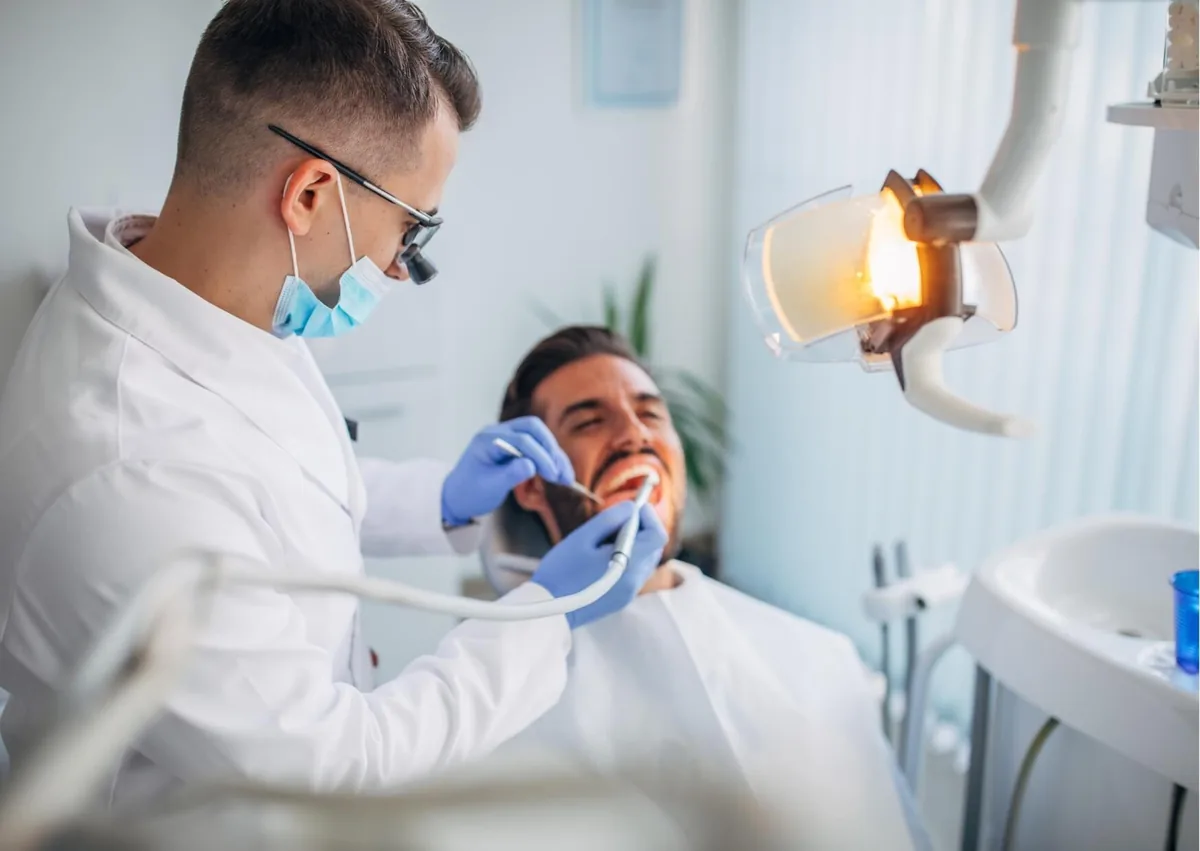
A local dentist can evaluate your oral health, explain your risk factors, and recommend a preventive plan that fits your needs. Even if it has been years since your last visit, starting with your first visit is a practical, judgment-free way to protect your smile.
A preventive exam and cleaning will clarify your risk and let the dental team recommend the right follow-up. Northwest General Dentistry focuses on general dentistry in Houston, TX; call (281) 856-6300 to schedule your visit.
Many dental plans help cover routine exams, cleanings, and certain X-rays, but benefits and frequency limits vary. Check your plan details and ask the dental office for an estimate before treatment.
Yes. Even excellent home care can leave plaque in hard-to-reach areas, and hardened tartar cannot be removed safely with a toothbrush or floss.
Professional visits also give the dentist a chance to find problems that may not cause symptoms yet. That early detection is one of the main reasons preventive care matters.
Fluoride is widely used to strengthen enamel and lower cavity risk when used as directed. Adults with dry mouth, exposed roots, frequent cavities, or orthodontic appliances may benefit from professional fluoride treatment.
A professional cleaning can remove some outside stains from coffee, tea, tobacco, and similar sources, but it does not change the natural color of your enamel. If you want a lighter shade, ask whether whitening makes sense after your teeth and gums are confirmed healthy.