If a tooth is chipped, slightly uneven, discolored, or has a small gap next to it, dental bonding is often one of the simplest ways to improve its appearance. Many patients like bonding because it is conservative, which means the dentist usually removes little to no natural tooth structure.
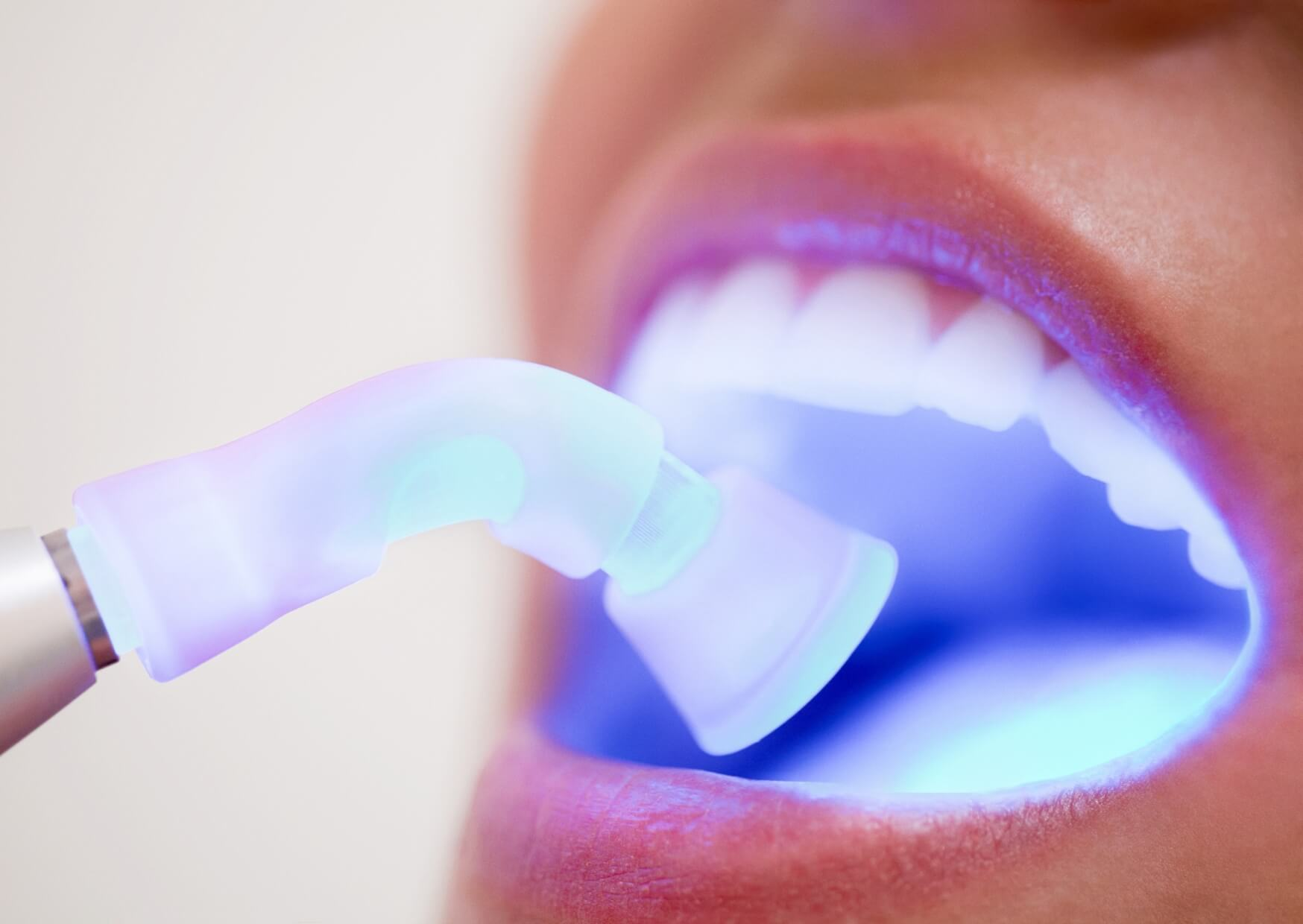
Tooth bonding is a cosmetic treatment and a simple form of restorative dentistry that uses a tooth-colored resin to repair or reshape a tooth. The resin is placed directly on the tooth, carefully shaped, hardened with a curing light, and polished to blend with the surrounding enamel.
Northwest General Dentistry in Houston, TX offers dental bonding and other conservative cosmetic services and provides the same-day, tooth-colored repairs many patients are looking for.
Tooth bonding works best for small to moderate changes. It is commonly used to repair minor chips, smooth rough edges, close small spaces between teeth, cover discoloration, and make a tooth look slightly longer or more even.
In some cases, a dentist may also use bonding to protect an exposed root surface caused by gum recession. It can also improve the shape of a tooth that looks undersized or slightly rotated, although not every alignment concern is a good fit.
Bonding is usually best when the underlying tooth is healthy enough to support the material. If there is active decay, a deep crack, heavy bite pressure, or major enamel loss, another treatment may be safer and last longer.
Bonding is often completed in one visit, which is one reason it is so popular.
For a small cosmetic repair, the appointment may be fairly short, although timing depends on how many teeth are being treated and how much reshaping is needed.
The dentist first checks the tooth and your bite to make sure bonding is a good option. If the goal is cosmetic, shade selection usually happens early so the resin matches the nearby teeth as closely as possible.
The tooth surface is then prepared so the material can bond more securely. This usually involves lightly roughening the enamel and applying a conditioning liquid.
Next, the resin is placed and sculpted into the right shape. A curing light hardens the material, and the dentist trims and polishes it so the tooth feels smooth and looks natural.
Many bonding procedures do not require numbing, especially when the work is limited to the outer surface of the tooth. If the area is sensitive or decay is also being treated, local anesthetic may still be used for comfort.
Cleveland Clinic explains the bonding procedure in similar patient-friendly terms.
Most patients find bonding very manageable. Because it is usually a minimally invasive treatment, there is often little discomfort during or after the visit.
The result is immediate. Once polished, the bonded area can look smooth and natural, especially when the repair is small and the surrounding enamel is in good condition.
The final appearance depends on careful color matching, shaping, and polishing. The most natural-looking bonding blends in without drawing attention to itself.
Bonding is durable, but it is not as strong or stain-resistant as porcelain. How long it lasts depends on the location, the size of the repair, bite forces, oral habits, and daily home care.
Small bonding repairs on front teeth may last 5 to 10 years, especially when the bite is stable and the patient avoids chewing ice, biting nails, or using teeth to open packages. Larger repairs and bonding on edges that take frequent pressure may wear, chip, or stain sooner.
General dentistry matters because polished resin can sometimes be maintained, touched up, or replaced before a small issue becomes a bigger one. If a bonded area feels rough, catches floss, changes color, or chips, it is worth having it checked.
Bonding sits between very minor cosmetic polishing and more extensive restorative work. It is often chosen because it is conservative, efficient, and usually less costly than porcelain-based options.
Veneers are thin porcelain shells attached to the front of teeth. They usually resist staining better and may last longer, but they often involve more planning, lab work, and cost.
Bonding is often a good fit when the change is modest and the patient wants a faster, less invasive option. Veneers may make more sense when several front teeth need a broader color or shape redesign.
The materials can be similar, but the purpose is different. A filling mainly restores a tooth damaged by decay, while bonding is often used to improve shape, close a gap, or repair a visible chip.
In some cases, one treatment can serve both roles. The key difference is not just the material, but why the dentist is placing it and how much force that area needs to handle. Learn more about composite fillings.
A crown covers most or all of the visible part of a tooth. It is usually considered when a tooth is significantly weakened, heavily broken down, root canal treated, or structurally at risk.
Bonding is more conservative, but it cannot replace the support a crown provides when a tooth has major damage. If strength is the main concern, dental crowns may be the safer option.
Bonding is not ideal for every situation. If a tooth has a large fracture, active grinding or clenching, severe discoloration, extensive decay, or very little enamel left for support, the result may be less predictable.
It may also be a weaker choice when a gap is too wide to close naturally with resin alone or when the bite places repeated stress on the area. In those cases, orthodontic treatment, veneers, crowns, or another restorative plan may offer better long-term stability.
A dental exam matters because a cosmetic concern can sometimes sit on top of a structural problem. A tooth that looks chipped may also have bite trauma, a hidden crack, or wear from grinding that changes the treatment decision.

Bonded teeth are cared for much like natural teeth. Brush twice a day with a non-abrasive toothpaste, floss regularly, and keep up with routine cleanings and exams.
It also helps to avoid habits that place sudden force on the front teeth. Biting pens, chewing ice, tearing packages, and frequent nail biting can shorten the life of a bonded edge.
Because resin can pick up stains over time, coffee, tea, red wine, and tobacco may gradually affect the color. Professional polishing can sometimes improve the surface, but bonded material does not whiten the way natural teeth can during bleaching.
If you are considering overall color improvement, professional teeth whitening may be part of your plan.
Call a dentist sooner if a bonded tooth becomes painful, newly sensitive, loose-feeling, or visibly cracked. A change in your bite, swelling, bleeding around the tooth, or a piece breaking off should also be checked.
Urgent dental evaluation is especially important after trauma, such as a fall, sports injury, or car accident, because damage may extend beyond the visible chip. Even when the tooth looks mostly intact, the nerve, root, or supporting bone may still be affected.
If you are thinking about bonding, the next step is a dental exam focused on both appearance and function. A good consultation should cover what is bothering you, how the tooth fits your bite, how long the result is likely to last, and whether another option would be more predictable.
For many small cosmetic concerns, bonding is a practical treatment with immediate results and minimal drilling. When it is chosen for the right reason and maintained well, it can be a very effective way to refine a smile without over-treating the tooth.
When bonding is combined with other services, it can also be part of a broader smile makeover.
Northwest General Dentistry provides dental bonding in Houston, TX and the surrounding areas. Call (281) 856-6300 to schedule a consultation and learn whether bonding is the right option for your smile.
No. Bonding is durable, but it can wear, stain, chip, or need replacement over time.
Usually not. Many bonding procedures are done with little or no discomfort, and some do not require numbing.
Yes, bonding is commonly used for small chips on front teeth. A dentist still needs to check whether the chip is purely cosmetic or involves deeper damage.
It can look very natural when the shade, shape, and polish are done well. The best results usually come from careful case selection and detailed finishing.
Not always. Bonding is often more conservative and faster, while veneers may last longer and resist stains better in some cases.