
Veneers are not permanent in the sense that they last forever. In most cases, they are considered a long-term and usually irreversible treatment because a small amount of enamel is often removed before placement.
Porcelain veneers often last about 10 to 15 years or longer with good care; learn more about how long porcelain veneers last. Composite veneers usually need repair or replacement sooner.
If you are trying to decide whether a long-lasting smile upgrade is worth the commitment, learning more about dental veneers can make the choice clearer. Northwest General Dentistry in Houston, TX helps patients compare veneer options, likely longevity, and treatment expectations so they can move forward with confidence.
A veneer is a thin layer of porcelain or tooth-colored composite resin placed over the front of a tooth. Veneers can improve discoloration, chips, small gaps, uneven edges, and teeth that look too short or misshapen.
With traditional porcelain veneers, a dentist usually removes a small amount of enamel so the restorations fit naturally and do not look bulky. Because enamel does not grow back, treated teeth usually need veneers or another restoration going forward.
Some minimal-prep or no-prep veneers require little or no enamel removal. Even so, they are not right for every smile, and they should not automatically be viewed as fully reversible.
In general, porcelain veneers offer the best stain resistance and longest lifespan. Their durability depends on oral hygiene, bite forces, enamel quality, material choice, and habits such as teeth grinding or chewing hard objects.
Composite veneers are shaped directly on the teeth with tooth-colored resin, often in one visit. They usually cost less and are easier to repair, but they tend to stain, chip, and lose polish sooner than porcelain.
|
Practical Consideration |
Porcelain Veneers |
Composite Veneers |
|---|---|---|
|
Typical longevity |
Often 10 to 15 years or longer |
Often about 5 to 7 years |
|
Stain resistance |
Higher |
Lower |
|
Repair options |
May require replacement if damaged |
Often repairable with added resin |
|
Treatment process |
Usually involves laboratory fabrication |
Often completed directly on the teeth |
These ranges are estimates, not guarantees. A comprehensive review found strong long-term survival for porcelain veneers, but your dentist should also consider clenching, existing fillings, enamel thickness, and bite alignment when discussing expected results.
Before recommending veneers, a dentist should examine the teeth, gums, bite, and your cosmetic goals. Problems such as decay, gum disease, heavy grinding, or major enamel loss may need to be addressed first.
If tooth preparation is needed, local anesthetic can keep the visit comfortable. For porcelain veneers, temporary veneers may be worn while the final restorations are made in a dental lab.
After placement, mild sensitivity or gum tenderness can happen for a few days. Ongoing pain, swelling, a loose veneer, or a bite that feels off should be checked by a dentist rather than ignored.
Veneers can eventually chip, crack, loosen, stain near the edges, or develop leakage around the margins. The veneer itself cannot get a cavity, but the natural tooth underneath still can.
A damaged porcelain veneer often needs to be replaced rather than patched. If the tooth underneath has become weaker over time, a crown may be a better option than placing another veneer.
Replacement can involve additional enamel removal, especially if decay or old bonding material must be cleaned away. That is why long-term maintenance and future costs should be part of the decision from the start.
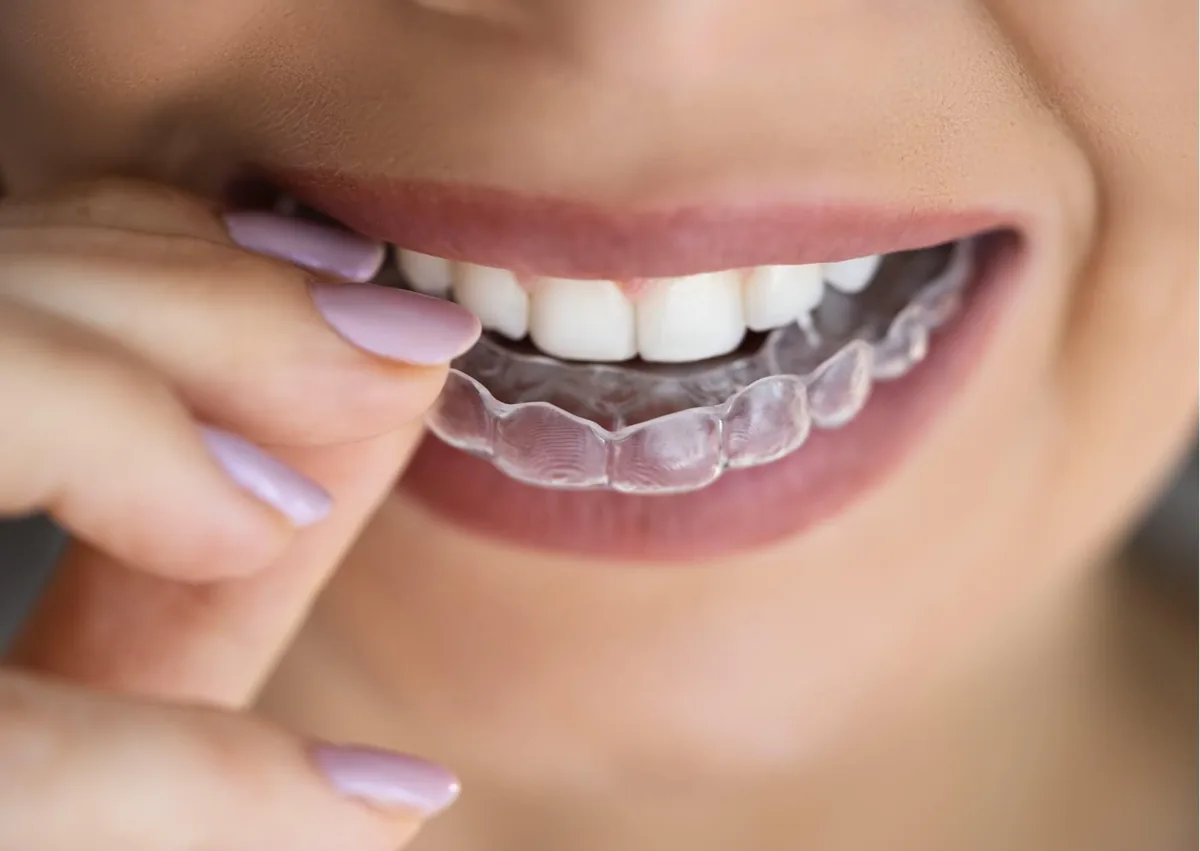
Brush twice a day with fluoride toothpaste, clean between the teeth daily, and keep regular dental visits. Avoid biting ice, opening packages with your teeth, or using veneered teeth as tools.
If you clench or grind, ask whether a nightguard would help protect your restorations. Good habits can make a meaningful difference in how long veneers last.
Veneers are cosmetic restorations, not a replacement for healthy teeth and gums. Depending on your goals, teeth whitening, dental bonding, minor reshaping, or orthodontic treatment may be more conservative than dental veneers.
A dentist can help you compare these options based on enamel, bite, gum health, and the changes you want to make. That conversation should also cover how much tooth preparation may be needed and how future repairs or replacements would be handled.
If you'd like a personalized assessment of whether dental veneers fit your goals and what to expect over time, request a consultation to review options and costs. Call Northwest General Dentistry for dental veneers in Houston, TX at (281) 856-6300 to schedule your appointment or learn more.
Usually not if enamel was removed during preparation, because the teeth may be sensitive, uneven, or more vulnerable without coverage. No-prep veneers may sometimes be removable, but only a dentist can determine whether the underlying teeth could safely remain untreated.
Properly planned veneers do not automatically ruin teeth. However, they do permanently change prepared enamel and can carry risks such as sensitivity, chipping, gum irritation, or decay around the edges.
The veneer material cannot decay, but the natural tooth can still develop a cavity around or beneath it. Daily plaque removal and regular dental exams are important for catching problems early.
Porcelain resists stains better than natural enamel or composite resin, but it can still collect surface buildup over time. Veneers also do not respond to teeth whitening, so whitening natural teeth before choosing a veneer shade can help create a more even long-term result.