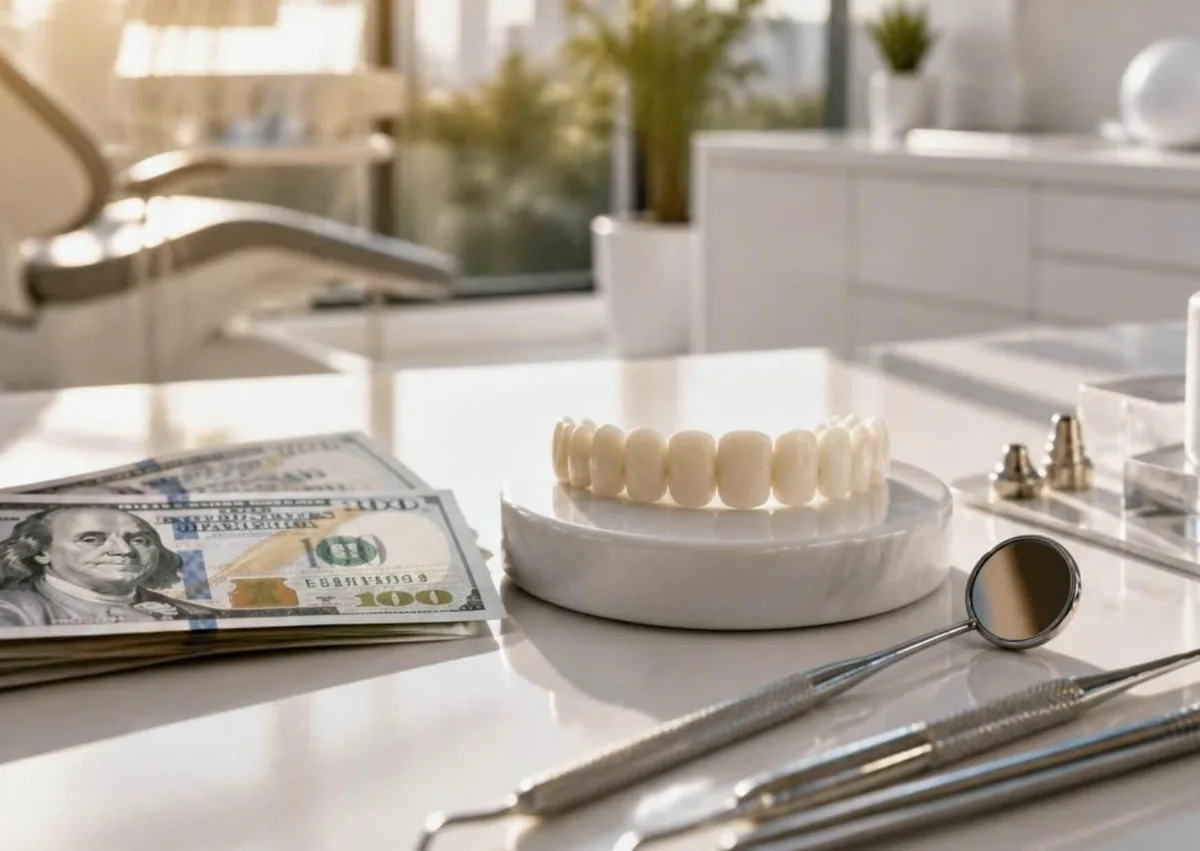
Composite veneers cost about $250 to $1,500 per tooth in the United States. The total depends on how many teeth are treated, whether the veneers are placed directly or made with lab help, how much reshaping is needed, and local dental fees. Because treatment is usually cosmetic, dental insurance often does not cover it.
Many direct composite veneer techniques are performed as dental bonding, which helps explain the materials, process, and typical price range for this option. For more background, see What is tooth bonding.
If you’re weighing faster, lower-cost options to repair chips, close small gaps, or refresh tooth shape, dental bonding with composite resin may match your goals without extensive tooth removal. Northwest General Dentistry in Houston, TX offers gentle, tooth-conserving cosmetic bonding that focuses on a comfortable visit and predictable esthetic results.
Direct composite veneers are created by placing tooth-colored resin on the front of the teeth and shaping it during the visit. Treating one chipped or uneven tooth may cost a few hundred dollars, while improving six to ten visible teeth can raise the total into the thousands.
A quote may include the exam, photos, digital scans or impressions, shade selection, tooth preparation, resin placement, polishing, and follow-up adjustments. Ask for a written treatment plan that shows the number of teeth involved and whether future repairs or polishing visits are billed separately.
Insurance may help only when composite is used to restore damage, decay, or lost tooth structure. If the goal is appearance alone, coverage is less common, though financing, HSA funds, or FSA funds may still help.
The biggest cost factor is how much change is needed. Closing larger spaces, masking darker discoloration, rebuilding worn edges, or reshaping several teeth takes more time and skill than correcting a small chip.
Your oral health also matters. Teeth with decay, gum inflammation, bite instability, or active grinding may need treatment first so the veneers can be placed safely and last longer.
Dentist experience, local overhead, and materials can also change the fee. Some offices offer indirect composite veneers that are made outside the mouth and bonded later, and that lab step can increase the cost.
The lowest quote is not always the best value. A careful evaluation of enamel, gum health, bite forces, and color goals can help reduce the risk of early chipping, staining, or an unnatural result.
Composite veneers usually cost less upfront than porcelain and can often be completed in one visit. They are also easier to repair, but they tend to stain and wear sooner, so long-term maintenance matters when comparing options.
If you are comparing dental veneers with other cosmetic treatments, it helps to look at both the starting price and the likely upkeep over time.
|
Option |
Typical U.S. Cost Per Tooth |
Common Advantages |
Practical Limitations |
|---|---|---|---|
|
Direct composite veneer |
$250 to $1,500 |
Often one visit; conservative preparation; repairable |
More prone to staining, wear, and chipping |
|
$900 to $2,500 or more |
Strong color stability; durable, lifelike finish |
Higher cost; laboratory time; repair may be difficult |
|
|
Dental bonding |
$100 to $600 |
Useful for small chips, gaps, or isolated reshaping |
May not provide full-surface coverage or broad color change |
|
Teeth whitening |
$300 to $1,000 for professional treatment |
Brightens natural teeth without covering them |
Does not change shape, spacing, or existing restoration color |
These numbers are broad estimates, not guaranteed fees. Porcelain may provide a longer-lasting finish for some patients; see porcelain veneers lifespan for more detail.
At the consultation, the dentist checks your teeth, gums, bite, and smile proportions. X-rays may be recommended if there are signs of decay, old trauma, or other concerns that are not visible during the exam.
For direct veneers, the tooth surface is cleaned and lightly prepared, then conditioned so the resin can bond. The dentist layers and shapes the composite, hardens it with a curing light, and polishes the surface.
Many cases require little or no enamel removal. That makes composite a more conservative option for patients who want visible improvement without extensive drilling.
Most patients have minimal discomfort during direct composite veneer treatment. Local anesthetic may not be needed when the work stays within enamel and only minor reshaping is required.
Some temporary sensitivity or mild gum tenderness can happen after treatment. Severe pain, swelling, or worsening discomfort is not typical and should be checked promptly.
In practical terms, composite veneers work best for small to moderate cosmetic changes. They can improve chips, minor gaps, uneven edges, and limited discoloration, but they may not be the best choice for major crowding, heavy bite stress, or severe staining.
Composite veneers often last about five to seven years, though some last longer with good care and favorable bite forces. If you want to learn more about long-term permanence, see are veneers permanent.
How long they last depends on placement quality, oral hygiene, diet, grinding habits, and whether the front teeth are used to bite hard objects. Composite can usually be repaired, but repeated repairs and eventual replacement still affect the overall value.
Brush with fluoride toothpaste, clean between the teeth daily, and keep regular dental visits. Avoid chewing ice, biting nails, or opening packages with your front teeth, and ask about a night guard if you clench or grind.
Coffee, tea, red wine, and tobacco can stain composite over time. Surface discoloration may improve with polishing, but deeper stains, fractures, or heavy wear may require repair or replacement.

An in-person exam is the best way to find out whether composite veneers can meet your goals while protecting healthy tooth structure. Bring photos of smiles you like, ask to see similar cases, and request a written plan that explains alternatives, maintenance, and likely replacement timing.
A local general or cosmetic dentist can help you compare composite, porcelain veneers, whitening, orthodontic treatment, or a smaller dental bonding repair. For broader smile planning, a cosmetic dentistry consultation can help organize treatment steps and estimate total costs.
Seek prompt dental care before cosmetic treatment if a tooth is loose, badly broken, swollen, draining, or causing severe or persistent pain.
To confirm whether composite bonding is the right, cost-effective choice for your smile, start with an exam to review options, see before-and-after examples, and get a written cost estimate. Call Northwest General Dentistry for dental bonding in Houston, TX at (281) 856-6300 to schedule your visit.
Yes. Composite veneers usually have a lower upfront cost than porcelain because they often do not require laboratory fabrication and may be completed in fewer visits.
That depends on which teeth show when you smile and what you want to change. Some patients need one tooth treated, while others choose six to ten upper front teeth for a more even result.
Usually not when the treatment is done only to improve appearance. Coverage may be possible if composite is restoring decay, trauma, or lost tooth structure, but the insurer must review the clinical reason and procedure code.
Sometimes, especially if no enamel was removed. However, not every case is fully reversible, so it is important to ask how much natural tooth structure will be altered before treatment.
They can improve mild discoloration, small gaps, minor unevenness, and limited shape concerns. More significant crowding, bite problems, severe staining, active decay, or gum disease may call for orthodontics, restorative care, or another treatment approach first.